
ART FAIRS
Liste Art Fair Basel
Messe Basel, Hall 1.1
Maulbeerstrasse / Riehenring 113
4058 Basel, Switzerland
VIP Preview
June 15, 11–6 PM
Public Opening
June 15, 6–8 PM
Public Hours
June 16, 12-8 PM
June 17, 12–8 PM
June 18, 12–8 PM
June 19, 12–8 PM
June 20, 12–8 PM
June 21, 11–4 PM
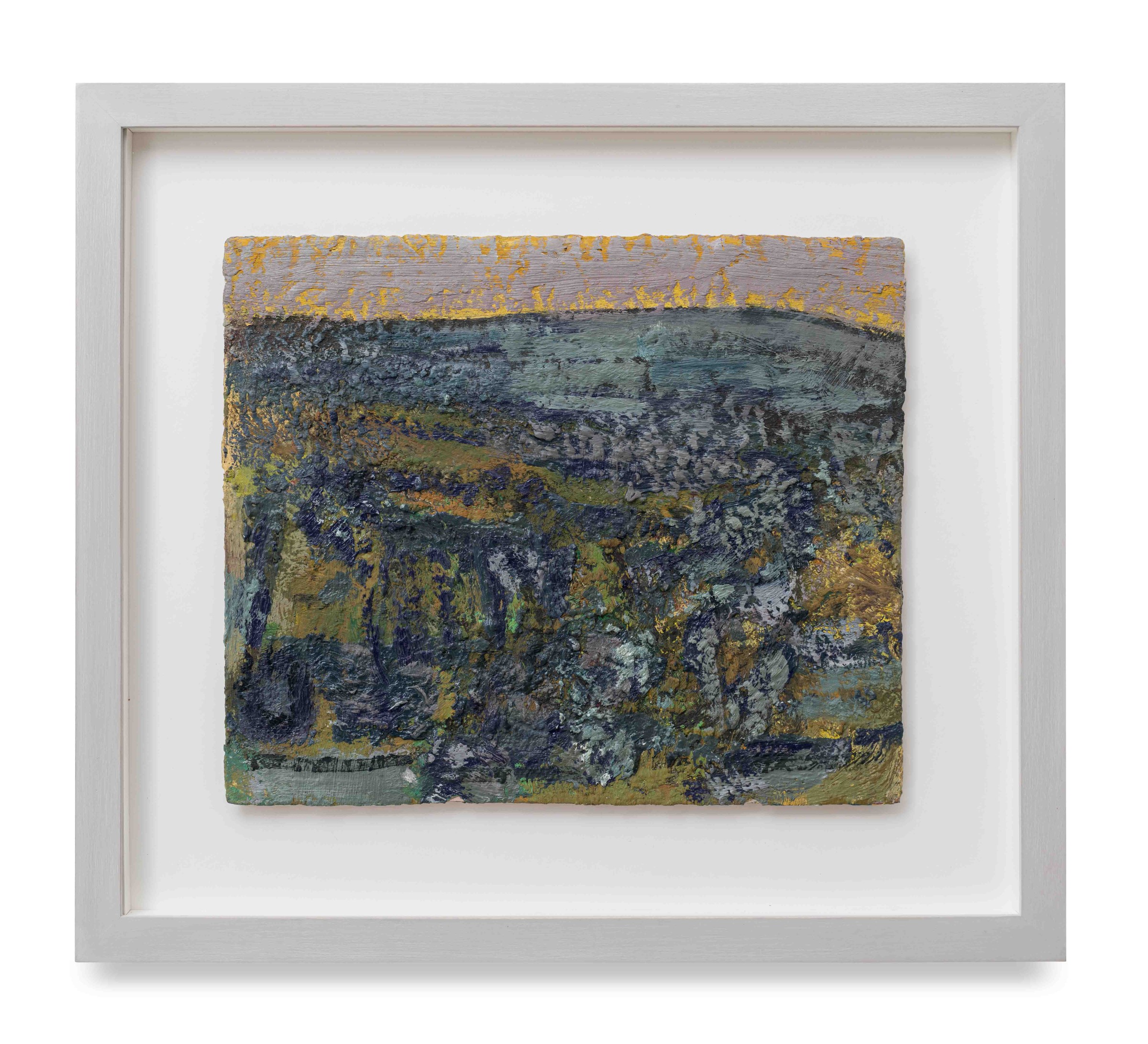
YveYANG is pleased to return to Liste Basel with a solo presentation featuring William Feaver.
My paintings refer to settings, sometimes arrived at fortuitously – mountainous, submerged, flooded, wild, or managed over aeons. Over the years, the paintings build up through repeated attention and a devotion to particular landscapes.
Landscapes are also accounts of depth and height, of the events caused by weather, and also by spoliation. Hence my obsession with landforms and seasonal prospects, especially in the High Pennines of Northumberland, where the conditions can change the character of the land in an instant, or cumulatively.
I carry a sketchbook wherever I go, and draw constantly. It’s a matter of observation and being alive to the perpetual changes that light, atmospheric pressures and times of year bring. Ordnance Survey Maps are a great resource – every tiny detail, whether cairn, sheepfold, hedgerow or former mine-working meticulously noted. Like maps, the paintings bring out the sense of a landscape’s unique history and geology, of the people that have lived and worked on it, and the forces that have shaped it, whether or not that’s visible on the surface. Paintings absorb these changes; they offer possibilities for change, renewal, and surprise.
—William Feaver, August 2025
William Feaver is a British artist whose engagement with landscape spans over six decades of visual and intellectual inquiry.
He primarily paints in the North Pennines, England’s last wilderness, observing over long periods and revisiting at intervals. Moving between the stark luminosity of winter snowfields and the dense tonal complexities of summer foliage, he involves the rhythms of the natural world in images that verge on abstraction. He works with oil on board out in the elements, as well as in the studio, with brushstrokes swerving spontaneously across the surface; paint can be intensely reworked, condensed, and scraped. Chromatic and spatial contrasts unfold as he returns repeatedly to certain places – not only Northumberland, but also Scotland, France and Italy – incorporating the transformations of time and human traces.
Feaver occupies a singular position within contemporary British culture. An early advocate of the School of London, he is a central figure in postwar art discourse, whose critical writings continue to shape the understanding of artists such as Lucian Freud and Frank Auerbach. His lifelong painting practice reveals a parallel commitment to sustained observation and the material intelligence of painting itself.
William Feaver (b. 1942, Stratford-sub-Castle, Wiltshire, England) lives and works between Northumberland and London. He read History at the University of Oxford and was awarded a postdoctoral research fellowship at Newcastle University.
Solo exhibitions include Berwick Watchtower Gallery, Berwick-upon-Tweed (2013); University Gallery, Northumbria University, Newcastle (2010); Piers Feetham Gallery, London (2005); and Queens Hall Arts Centre, Hexham (2004, 1998). He has participated in group exhibitions at the Mall Galleries, London (2018) and Cadogan Contemporary, London (1992), among others.
He has written, broadcast and lectured extensively on art. He was chief art critic at The Observer (1975–98), having previously written for the Financial Times, The Listener, and Newcastle Journal. Publications include, most recently, a two-volume biography of Lucian Freud, The Lives of Lucian Freud: Youth 1922–1968 (Bloomsbury, 2019) and Fame 1968–2011 (Bloomsbury, 2020), besides the monographs Frank Auerbach (Rizzoli, 2009) and Lucian Freud (Rizzoli, 2007). Further works include The Art of John Martin (Oxford University Press, 1975) and Pitmen Painters (Chatto & Windus, 1988), his critical biography of the Ashington Group, which was dramatized for the stage by Lee Hall and toured internationally.
Curatorial projects include major exhibitions of Lucian Freud at Museo Correr, Venice (2005); Wallace Collection, London (2004); Fundació “la Caixa,” Barcelona (2002); Museum of Contemporary Art, Los Angeles (2002); Tate Britain, London (2002); and Abbot Hall Art Gallery, Kendal (1996). As well as retrospectives of Michael Andrews, Tate Britain (2001), the Ashington Group, Beijing and touring China (1980), and Ian Stephenson, Hayward Gallery, London (1977), he curated “Auerbach and Freud at the V&A: New Paintings,” Victoria & Albert Museum, London (2006); “Constable: Le Choix de Lucian Freud,” Grand Palais, Paris (2002); “Peter Moores,” Walker Art Gallery, Liverpool (1983, 1985); and “Thirties: British Art and Design Before the War,” Hayward Gallery (1979), among many others.
Teaching includes the Royal Drawing School, London and a visiting professorship at Nottingham Trent University. He is a founding Trustee of the Ashington Group.
Liste Art Fair Basel
Messe Basel, Hall 1.1
Maulbeerstrasse / Riehenring 113
4058 Basel, Switzerland
VIP Preview
June 15, 11–6 PM
Public Opening
June 15, 6–8 PM
Public Hours
June 16, 12-8 PM
June 17, 12–8 PM
June 18, 12–8 PM
June 19, 12–8 PM
June 20, 12–8 PM
June 21, 11–4 PM
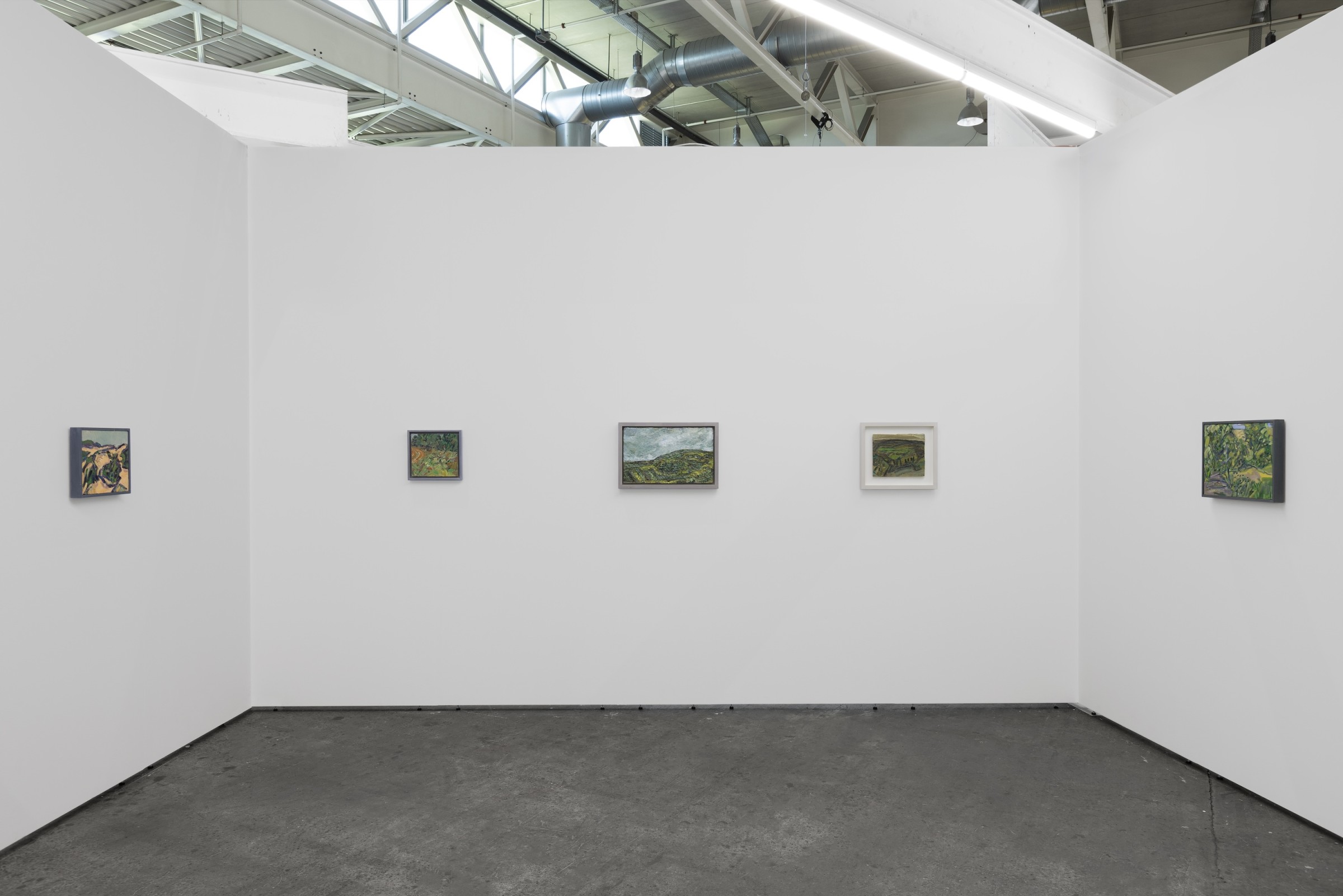
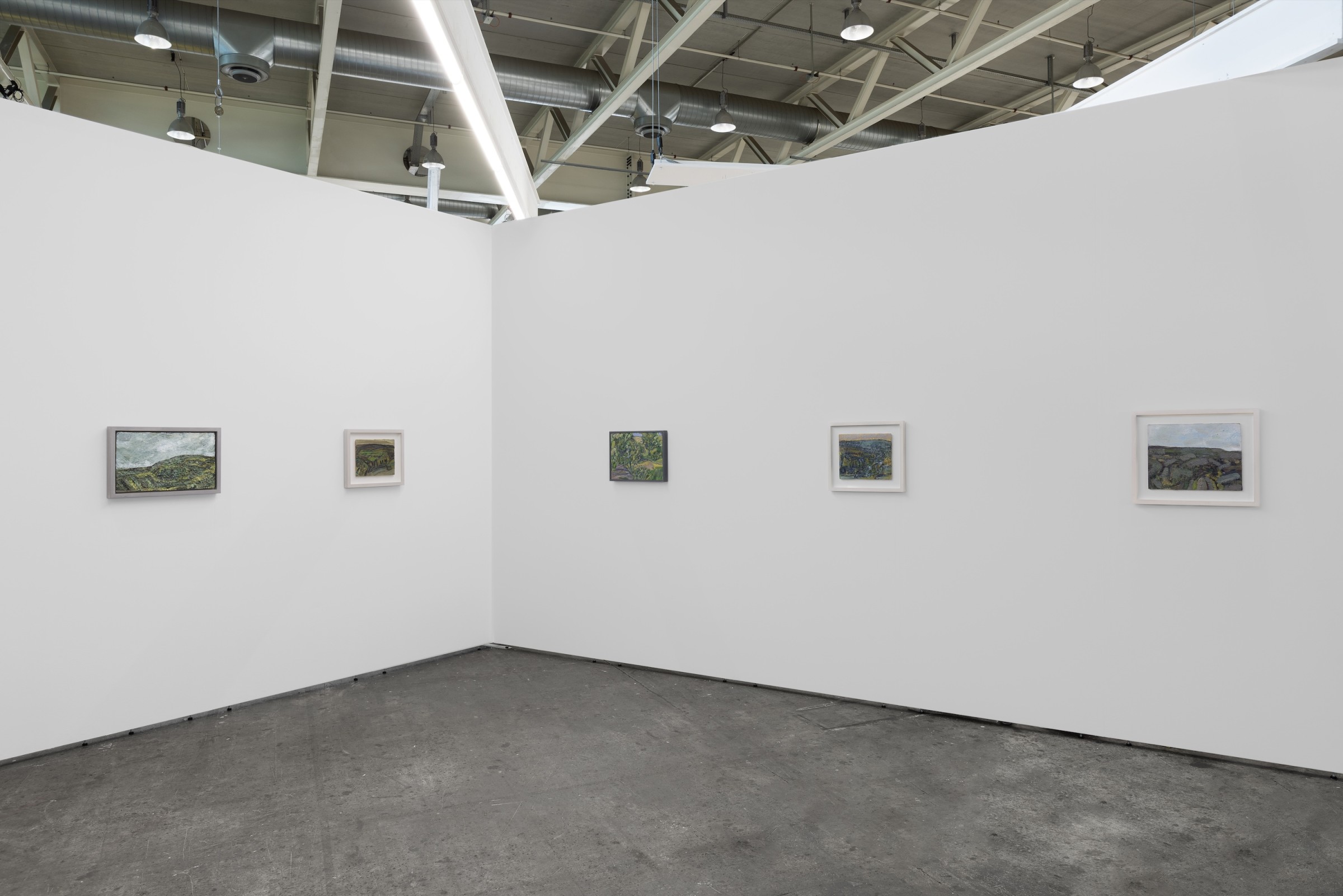
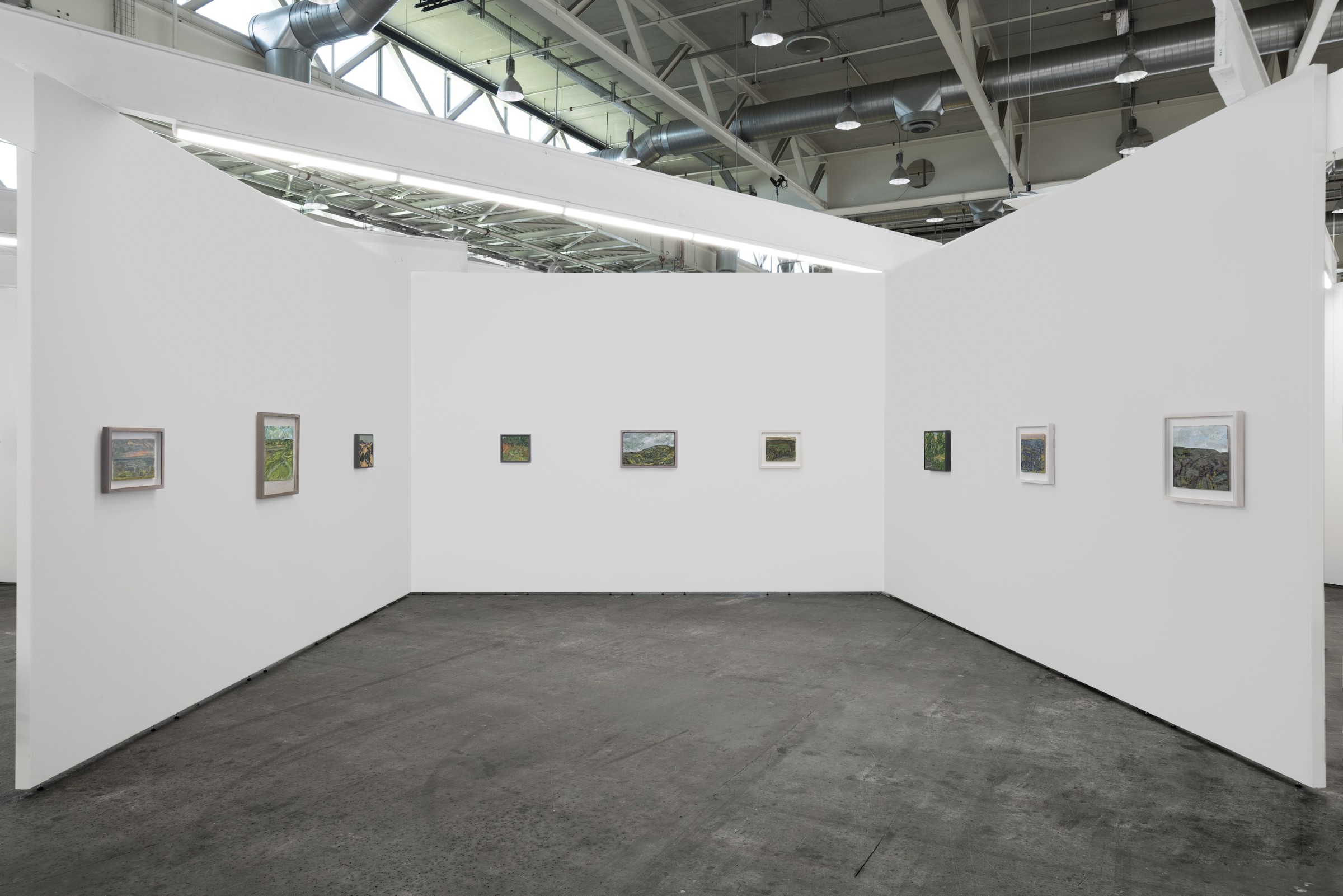
Works Exhibited
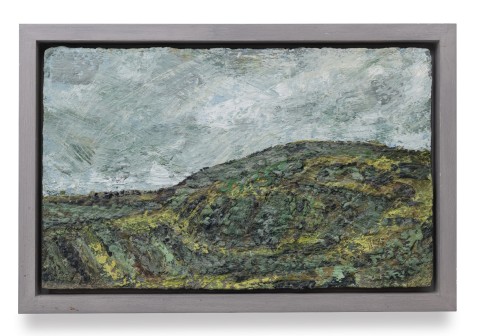
Spy Rigg, River Irthing
2011
Oil on board
30 x 47 cm
11 3⁄4 x 18 1⁄2 in.
35.5 x 54 cm (framed)
14 x 21 1⁄4 in. (framed)
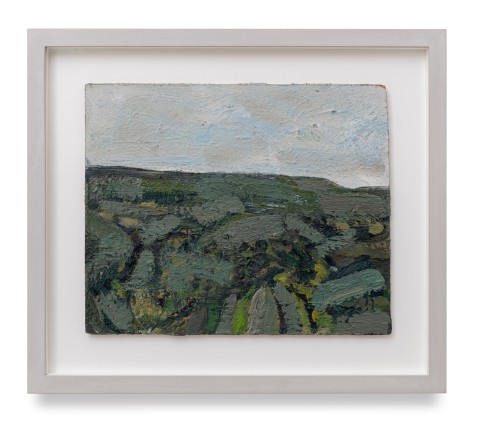
Coastal Caithness
July 2021
Oil on board
30 x 37 cm
11 3⁄4 x 14 5⁄8 in.
44 x 50.5 cm (framed)
17 3⁄8 x 19 7⁄8 in. (framed)
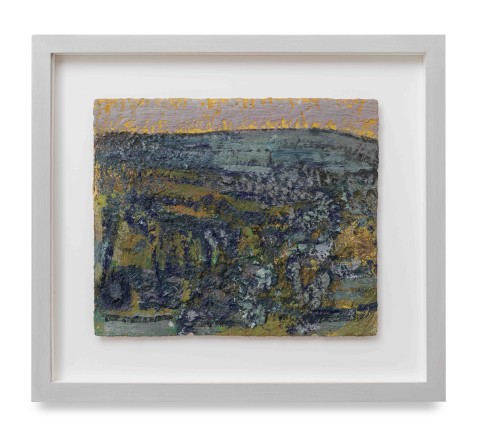
Freezing Landscape, Sparty Lea
2023
Oil on board
25 x 30 cm
9 7⁄8 x 11 3⁄4 in.
38.5 x 43.5 cm (framed)
15 1⁄8 x 17 1⁄8 in. (framed)
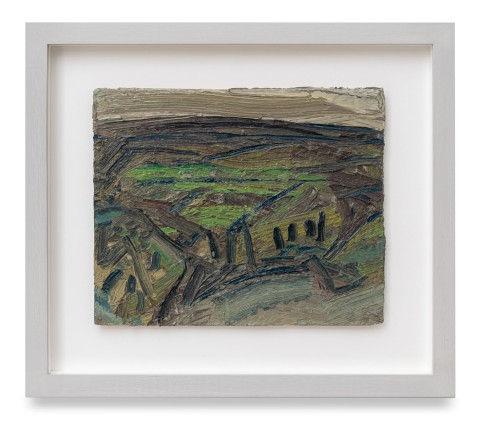
Sinderhope
2013-2014
Oil on board
23 x 28 cm
9 x 11 in.
36 x 42 cm (framed)
14 1⁄8 x 16 1⁄2 in. (framed)
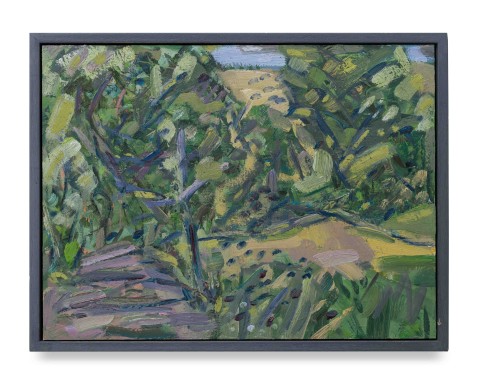
Pignano, Midday
2019
Oil on board
29.5 x 39 cm
11 5⁄8 x 15 3⁄8 in.
32 x 42 cm (framed)
12 5⁄8 x 16 1⁄2 in. (framed)
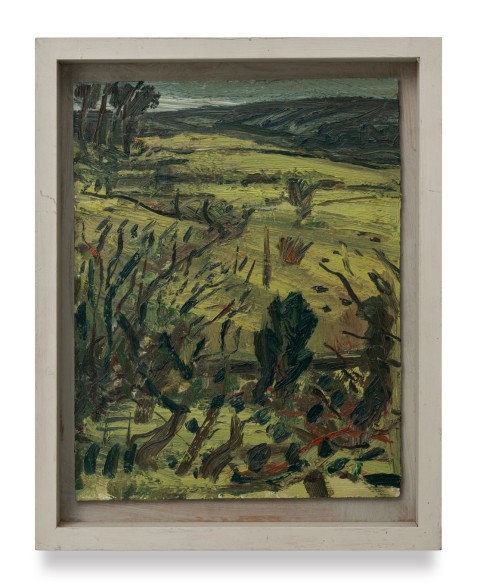
Near Coatenhill, Winter
2002
Oil on board
36 x 30 cm
14 1⁄8 x 11 3⁄4 in.
47 x 37 cm (framed)
18 1⁄2 x 14 5⁄8 in.(framed)
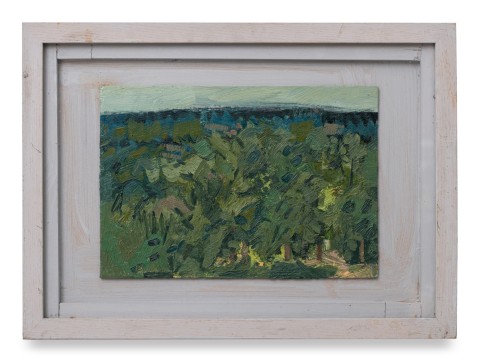
Foret de Cerisy
2008
Oil on board
20 x 29 cm
7 7⁄8 x 11 3⁄8 in.
32.5 x 43 cm (framed)
12 3⁄4 x 16 7⁄8 in.(framed)
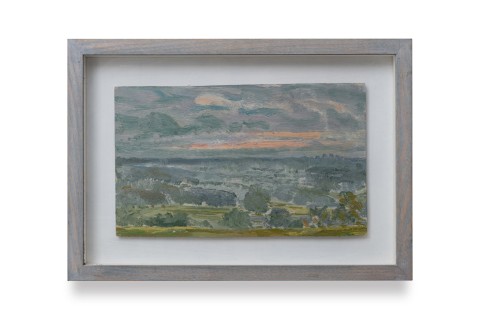
Balleroy, Dawn
2018
Oil on board
19 x 31 cm
7 1⁄2 x 12 1⁄4 in
30.5 x 41 cm (framed)
12 x 16 1⁄8 in (framed)
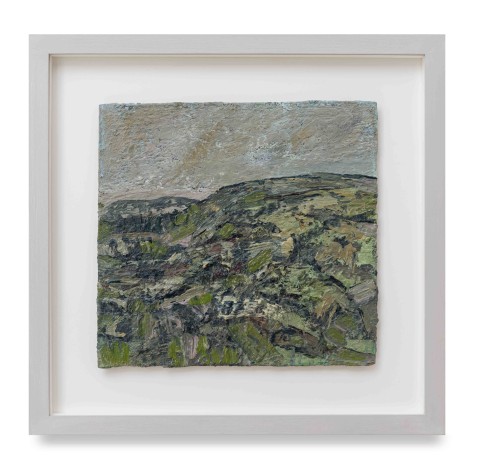
South of Kielder
2010
Oil on board
26 x 27 cm
10 1⁄4 x 10 5⁄8 in.
39 x 41 cm (framed)
15 3⁄8 x 16 1⁄8 in.(framed)
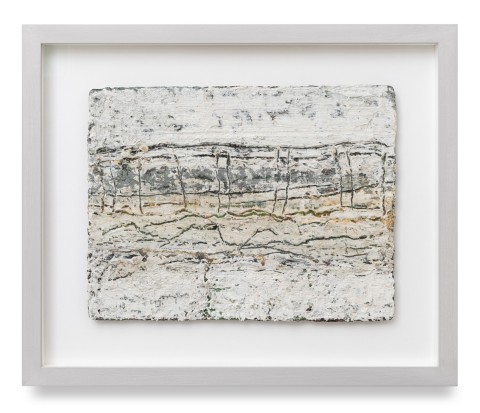
Blizzard, Allendale
2001
Oil on board
24 x 32 cm
9 1⁄2 x 12 5⁄8 in.
3 7.5 x 45 cm (framed)
14 3⁄4 x 17 3⁄4 in.(framed)
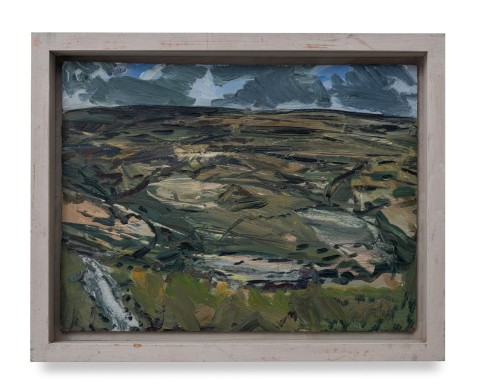
Sinderhope Head
2006
Oil on board
32 x 42 cm
12 5⁄8 x 16 1⁄2 in.
38.6 x 48 cm (framed)
15 1⁄4 x 18 7⁄8 in. (framed)
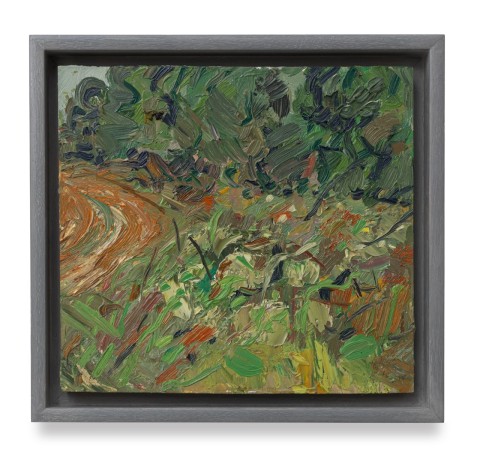
Field Edge, Balleroy
2006
Oil on board
24 x 24.5 cm
9 1⁄2 x 9 5⁄8 in.
27 x 29 cm (framed)
10 5⁄8 x 11 3⁄8 in.(framed)
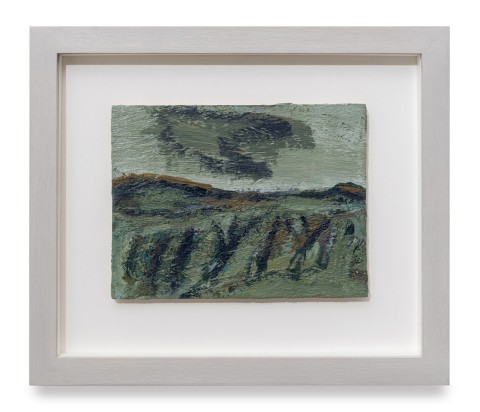
Saddleback
2015
Oil on board
15 x 20 cm
5 7⁄8 x 7 7⁄8 in.
28 x 32.5 cm (framed)
11 x 12 3⁄4 in. (framed)
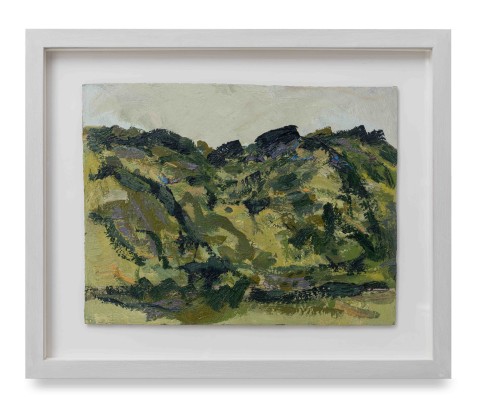
Dronan, Kinlochburvie
2009
Oil on board
29 x 37cm
11 3⁄8 x 14 5⁄8 in.
41 x 50 cm (framed)
16 1⁄8 x 19 3⁄4 in.(framed)
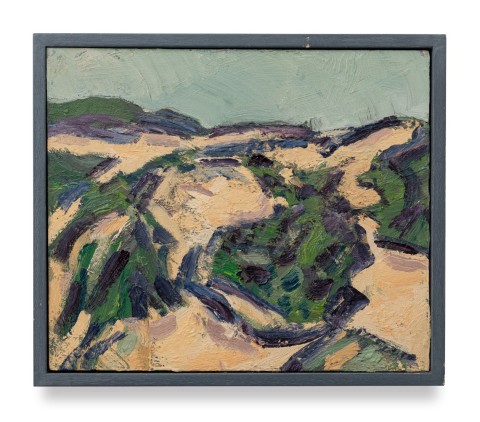
Pignano
2019
Oil on board
27.7 x 32 cm
10 7⁄8 x 12 5⁄8 in.
30 x 35 cm (framed)
11 3⁄4 x 13 3⁄4 in.(framed)
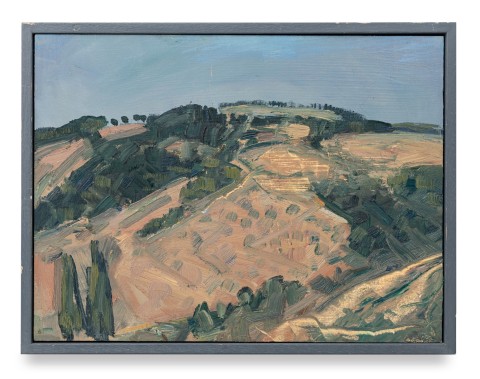
Pignano, Mid-Afternoon
2017
Oil on board
30 x 38 cm
11 3⁄4 x 15 in.
32.5 x 42 cm (framed)
12 3⁄4 x 16 1⁄2 in. (framed)
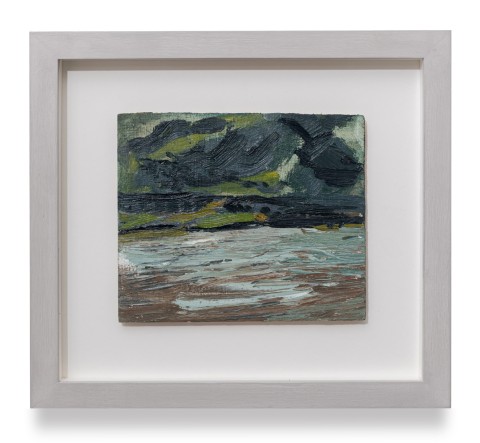
High Tide, Holker
2011
Oil on board
16.2 x 19 cm
6 3⁄8 x 7 1⁄2 in.
29.2 x 32.5 cm (framed)
11 1⁄2 x 12 3⁄4 in.(framed)
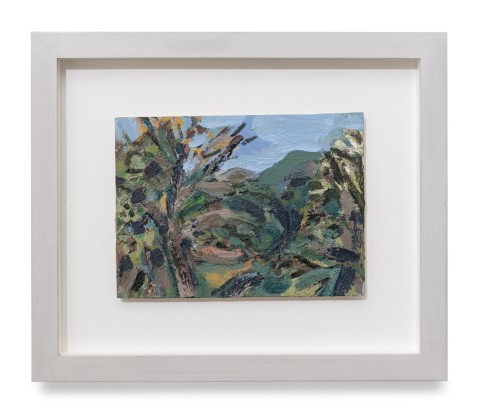
Ninebanks, East Allen
2012
Oil on board
14.5 x 20.2 cm
5 3⁄4 x 8 in.
28 x 33.4 cm (framed)
11 x 13 1⁄8 in. (framed)
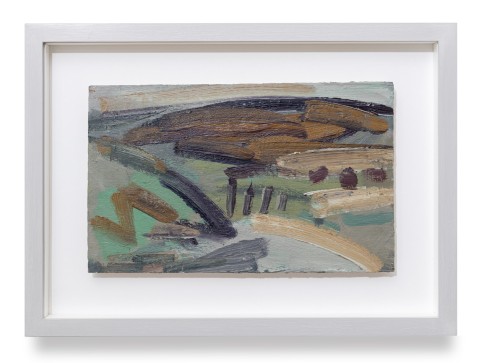
Nenthead, Looking South
2017
Oil on board
20.3 x 38 cm
8 x 15 in.
33.5 x 46.3 cm (framed)
13 1⁄4 x 18 1⁄4 in. (framed)
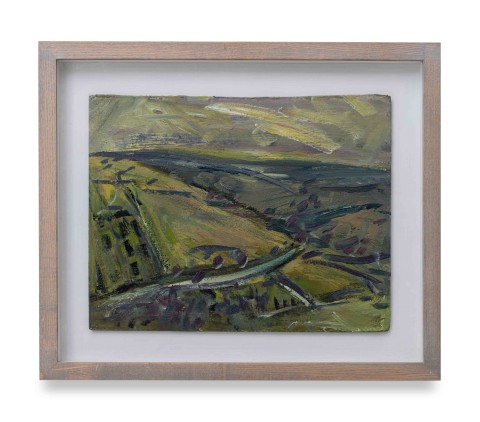
Sipton, Allendale
2005
Oil on board
29 x 36.4 cm
11 3⁄8 x 14 3⁄8 in.
41.2 x 49 cm (framed)
16 1⁄4 x 19 1⁄4 in.(framed)