
EXHIBITIONS
05.08.2026, 12–8 PM
YveYANG is pleased to present Ghost Stone, Stephen Lichty’s first solo exhibition with the gallery and a site-specific project featuring three major works.
Stephen Lichty’s engagement with quartz began more than a decade ago when he first encountered an enigmatic boulder while briefly employed as a stone mason’s assistant in the Bay Area. He tracked the quartz boulder to its source, Liberty Hill Diggings, a defunct mine near the historic Gold-Rush-era community of Dutch Flat and surrounded by the Tahoe National Forest in the western foothills of the Sierra Nevada Mountains. Mid-1800s small-scale panning operations in nearby rivers gave way to massive extraction through dynamite blasting and hydraulic mining. Before regulation, these practices caused environmental devastation, choking rivers with debris and toxic mercury, endangering agriculture, and leaving a scarred landscape marked by terraced pits where hillsides were washed away with high-powered water cannons. Without invasive techniques like these, the boulders that attracted Lichty’s attention would have remained buried in the earth. This site is a veritable emblem of irresponsible extraction and yet the surrounding area was established as a National Forest in the 1890s, shortly after hydraulic mining was banned. A dramatic landscape of sun-drenched granite peaks and crystalline alpine lakes make the Sierra Nevada, sometimes called the “Range of Light,” renowned for pristine natural beauty. This location, fraught with antagonistic contradiction, is the source of much of the raw material included in Lichty’s show Ghost Stone at YveYANG this spring.
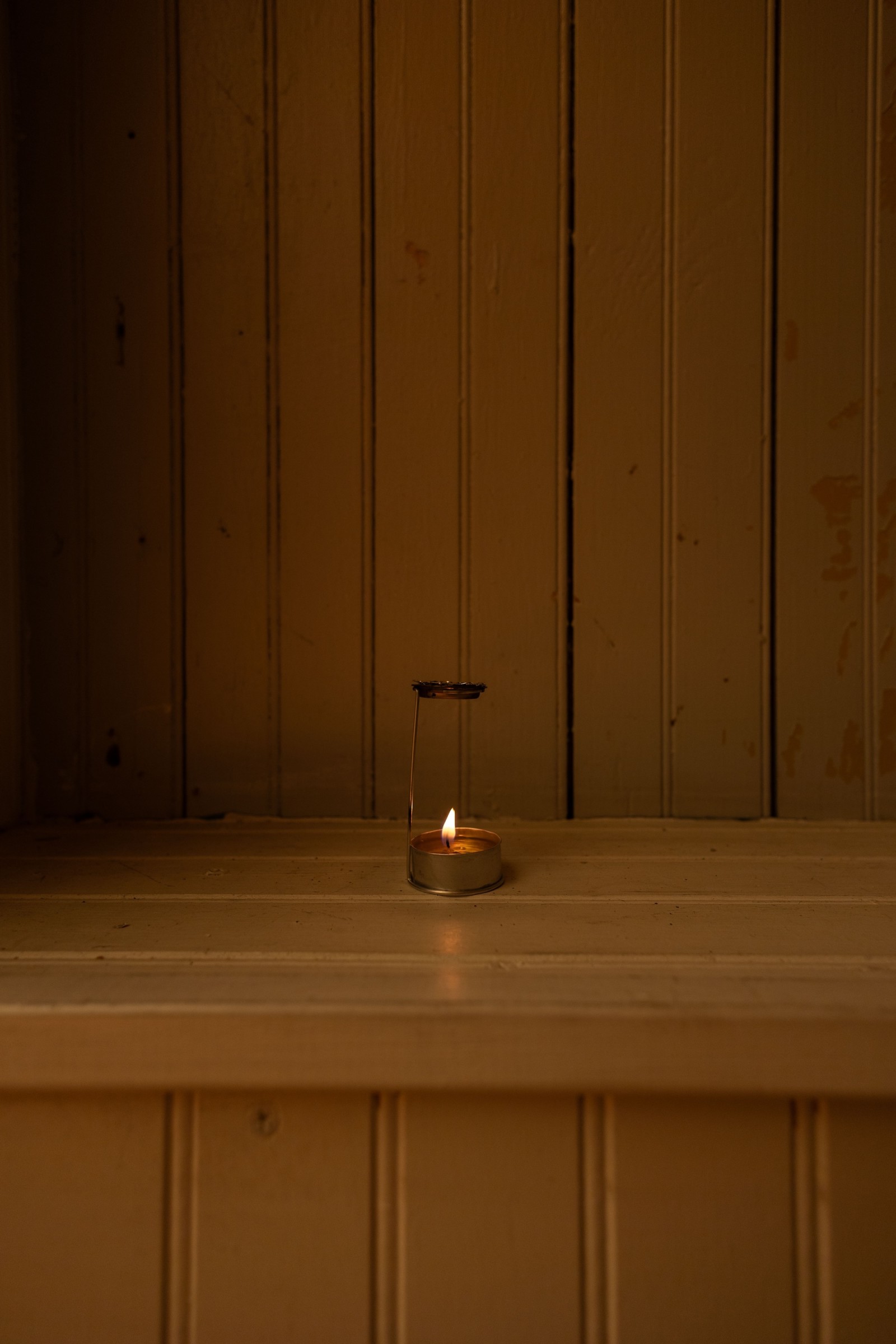
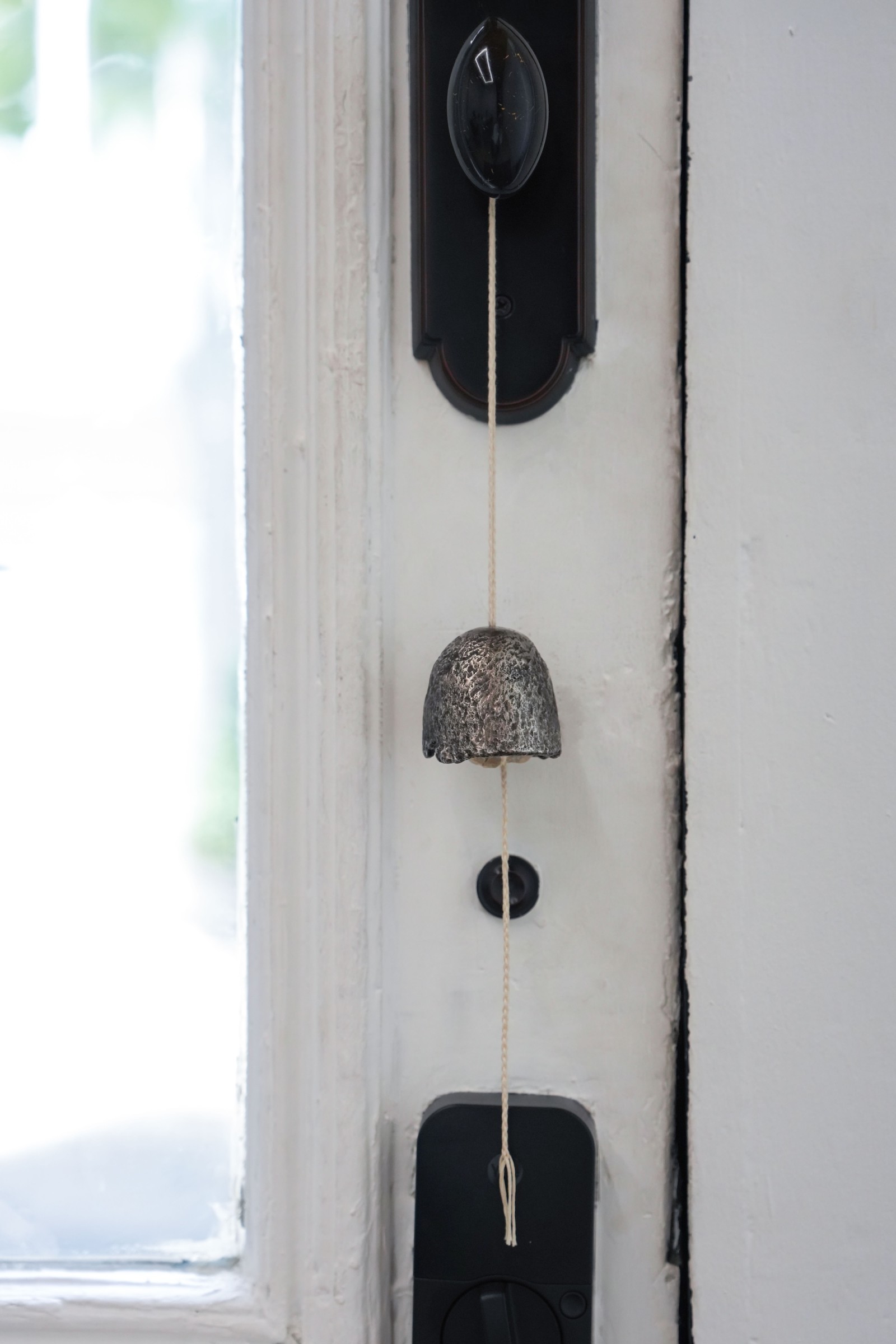
An inconspicuous bell hanging from the gallery door greets visitors with a short, bright chime that lingers briefly. The bell is only one of an edition of thirty. The diminutive bell is approximately two inches square and shares the refined aesthetic simplicity of much of Lichty’s work. It is hand size and hand hewn. The bell’s hollow cup is heavy and dense. Its lustrous dark silvery-grey surface is polished and waxed to a smooth shine at its crown while the rest of the body is pitted by small dark dimples that create the all-over texture typical of cast iron. A hand-braided cord holds the quartz clapper in place. These elements are prehistoric, as is the form. The bell is simply and descriptively titled Bell. This concise label mirrors the self-evident identity the work asserts, a strategy Lichty repeats. Bell functions when it chimes and yet it doesn’t need to complete this operation to be a bell. It exudes a noble reserve. Clarity and simplicity of form, as well as an enigmatic restraint, are typical of Lichty’s work.
Bell is simply what it announces itself to be and yet it was produced through a committed and immersive process comprising craft and social networks, research, experimental archeology, and sourcing directly from nature. Over a period of four months, Lichty collected about fifteen gallons worth of black iron sand from the shores of San Francisco’s Ocean Beach. This material was refined in the studio using a process that alternated high heat from a blow torch with the application of a roofer’s magnet to separate iron ore from sand. Over the course of about five days Jeff Pringle smelted a portion of the purified iron into ingots in a small crucible in his Oakland backyard. Lichty was introduced to Pringle’s work more than a decade ago through an academic paper speculating on the mysterious historical process used to create beautiful water-like patterns typical of Damascus swords. Pringle is one of a very few contemporary metallurgists working in a pre-industrial manner, his craft so rare that he has earned an international reputation. Pringle taught Lichty not only about archaic smelting techniques, but also the fact that bands of black sand on local beaches are iron ore washed downstream from the Sierra Nevada. Together they melted the ingots in Pringle’s crucible and Lichty poured the molten iron into a clay mold box packed with positive carved foam bell shapes. Runners were removed from the resulting cast forms before the bell bodies were refined through polishing and waxing. Quartz clappers sourced from the Liberty Hill site were set with hand-braided cords. After an ill-fated attempt at foraging dogbane, a native plant historically used by indigenous Californians for strong, durable nets, ropes, and baskets, Lichty settled on a symmetrical diamond-braided cotton embroidery floss – a material already familiar from generations of his matrilineal line’s experience with textiles. Lichty’s process is complex, evolving, and contingent.
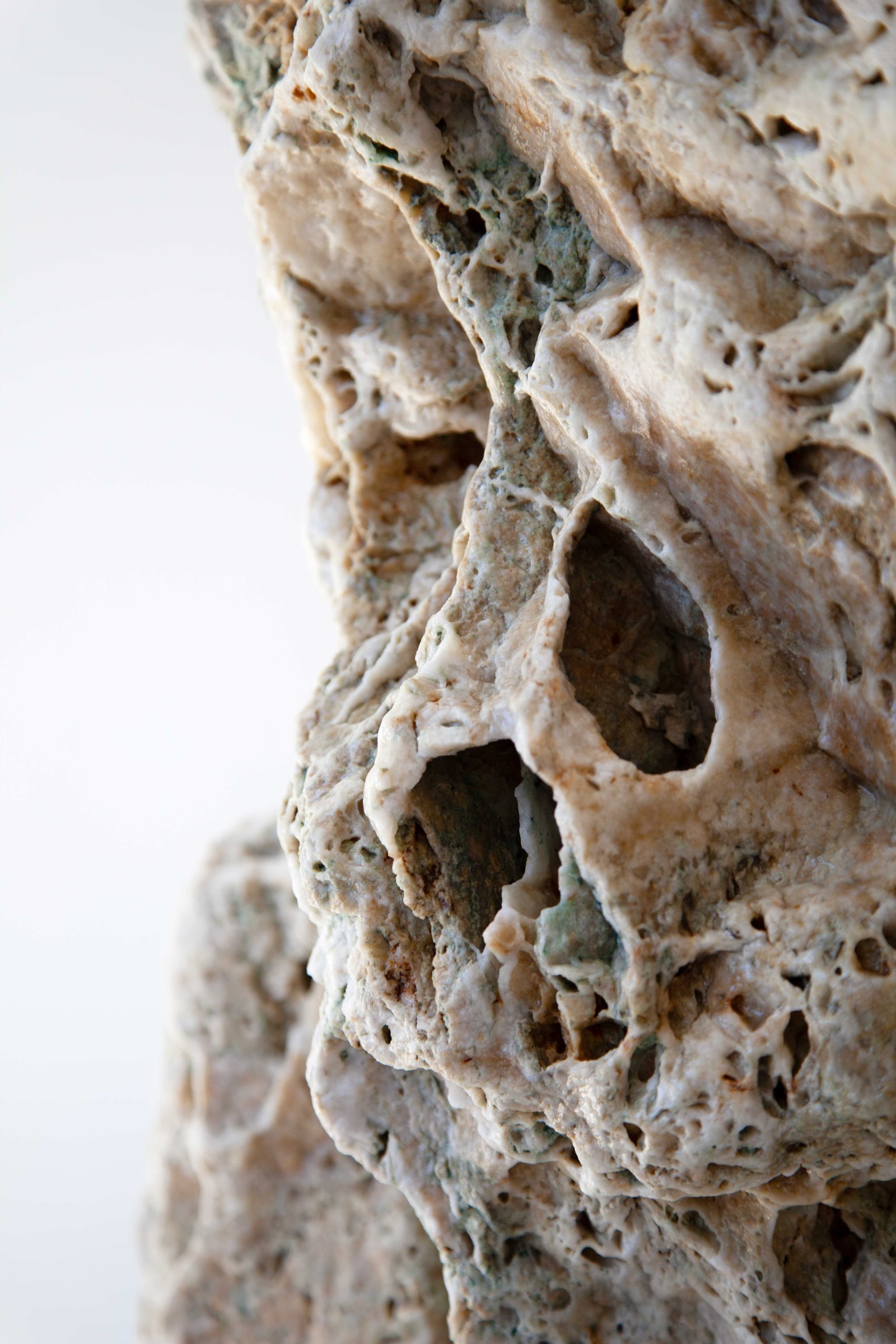
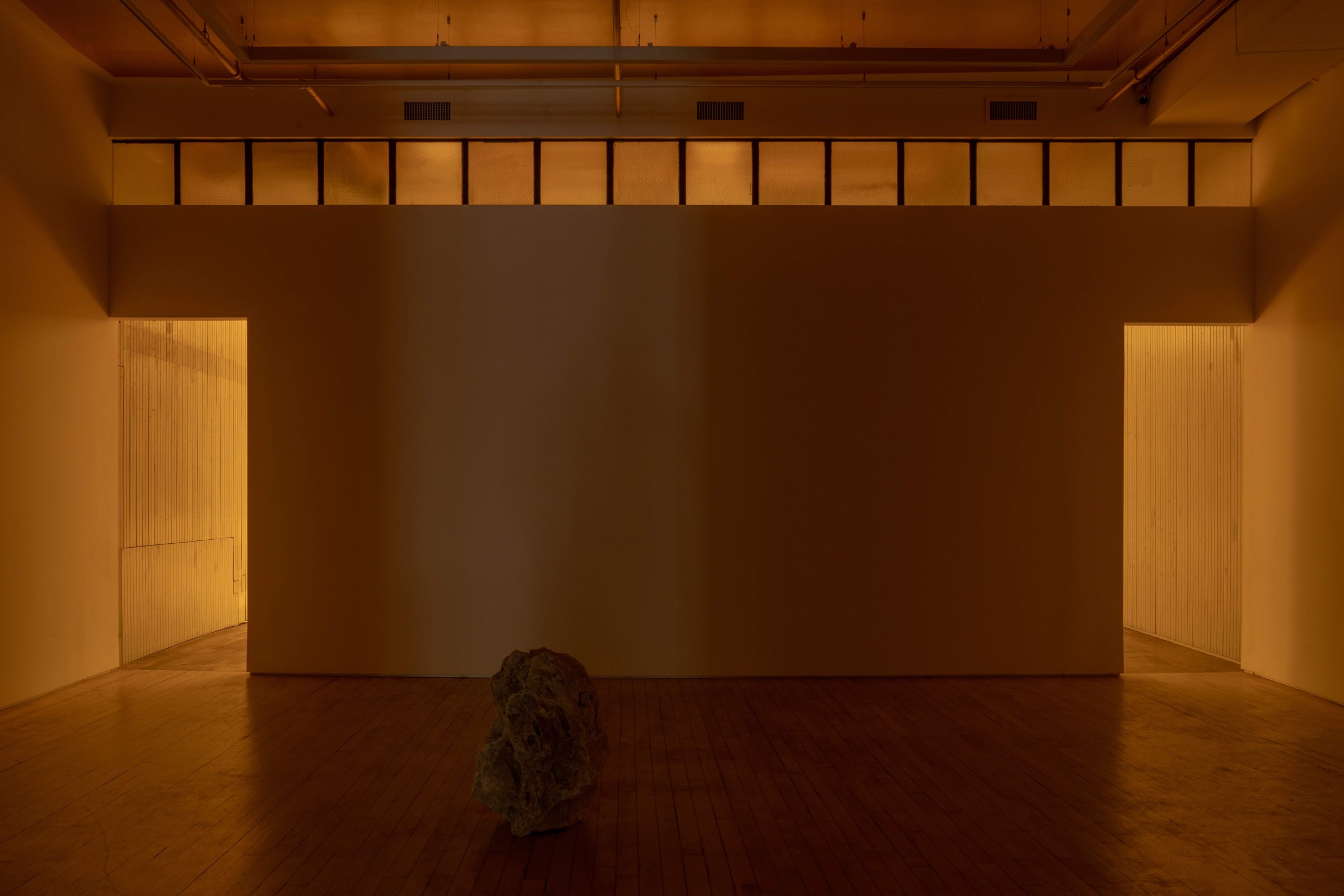
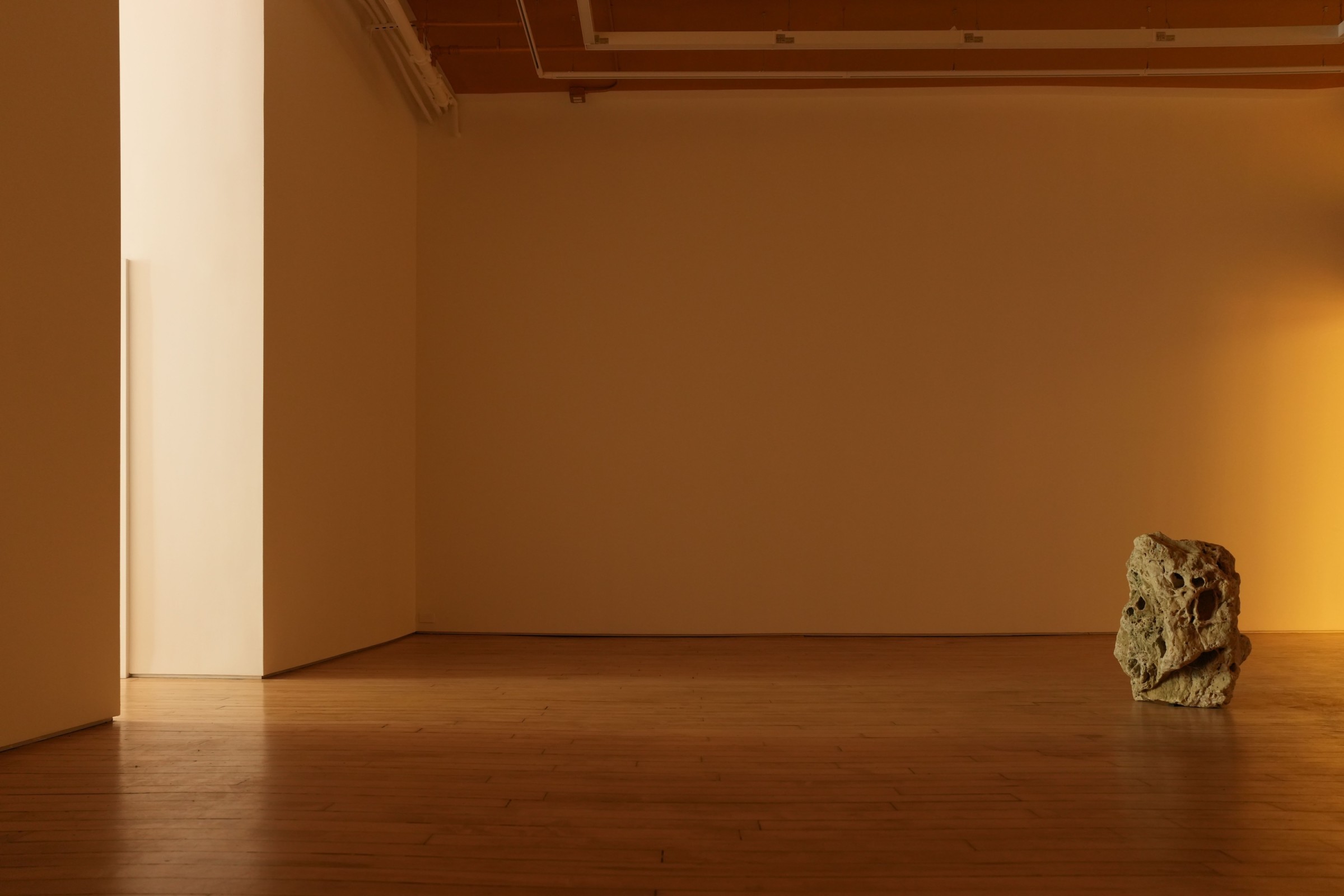
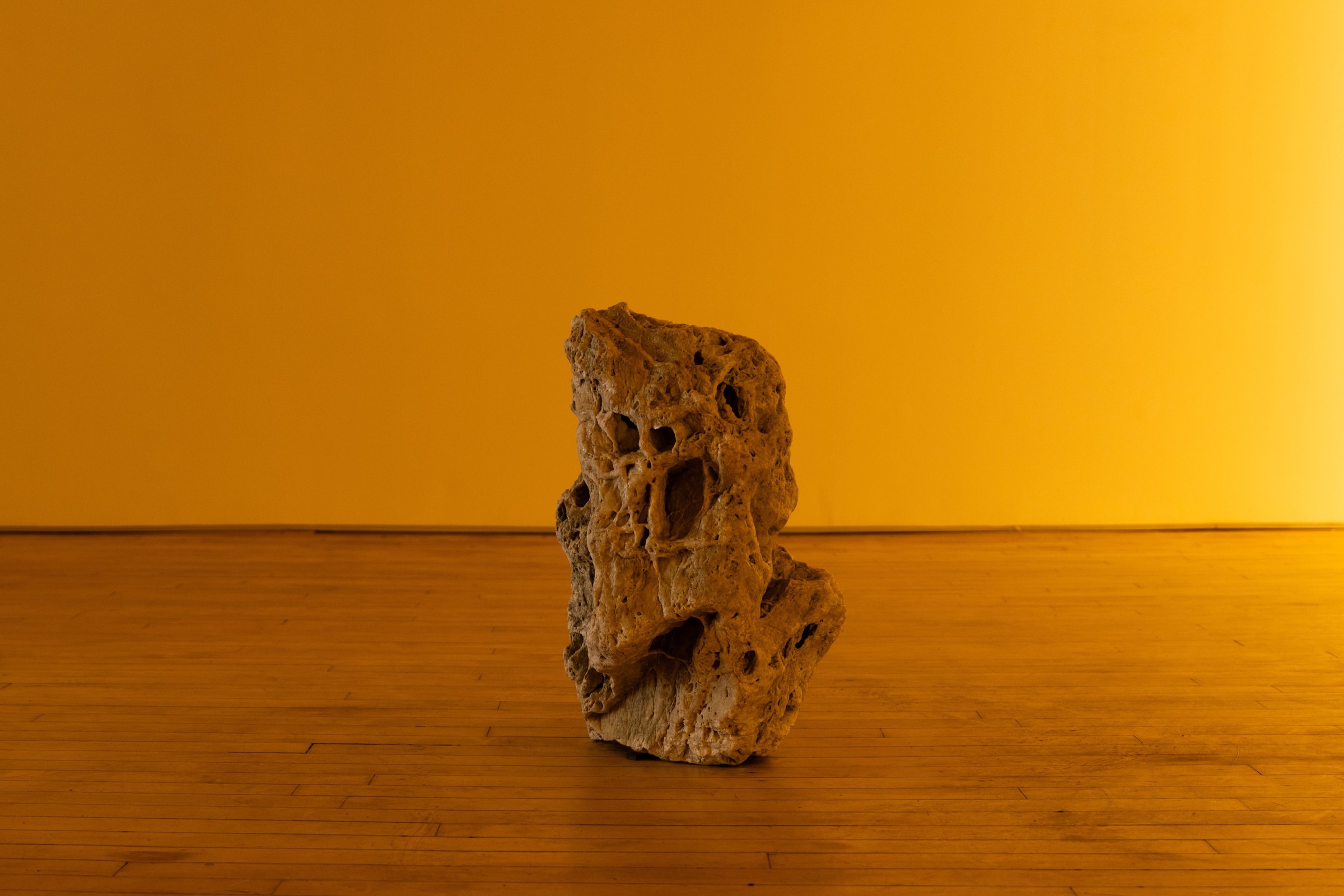
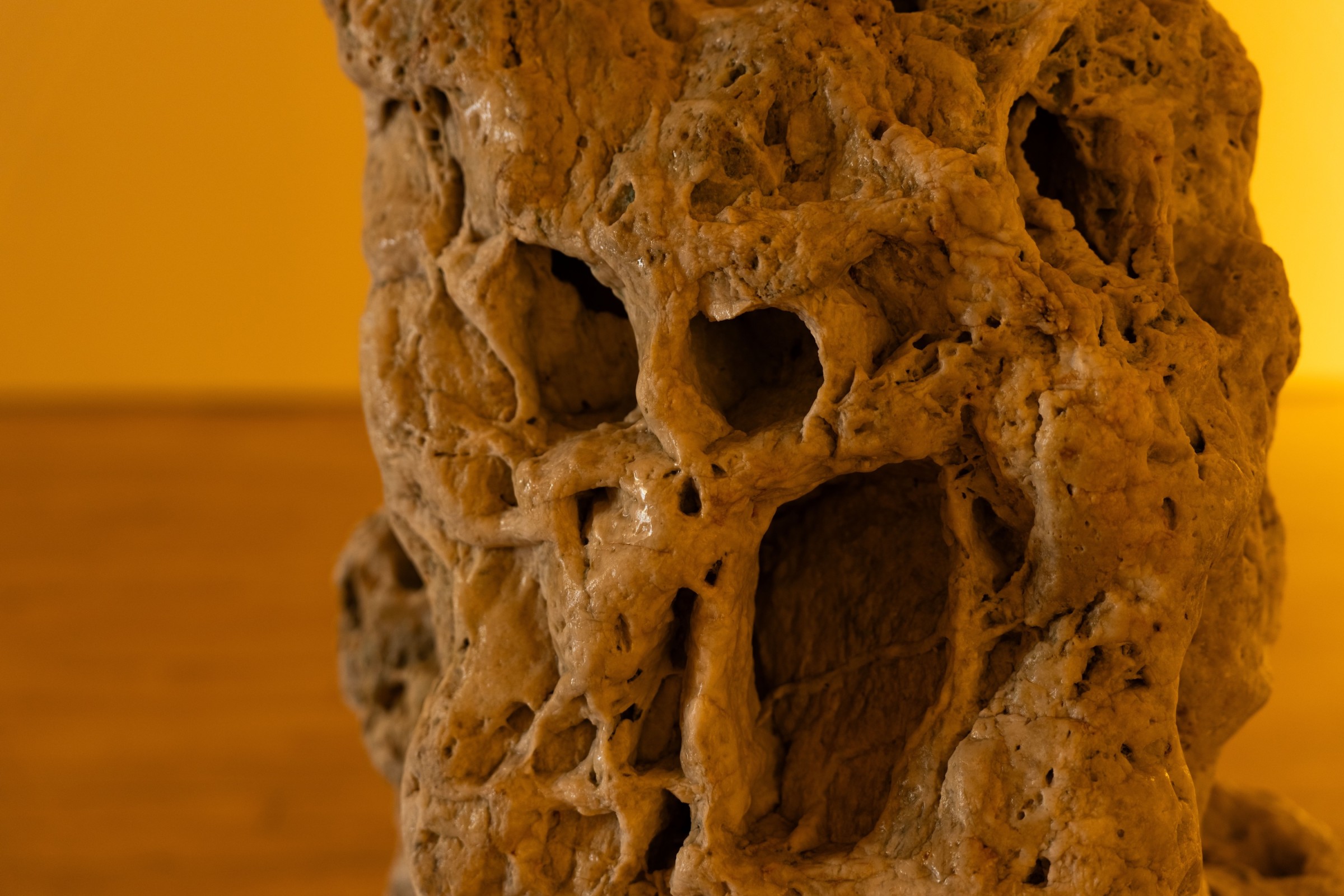
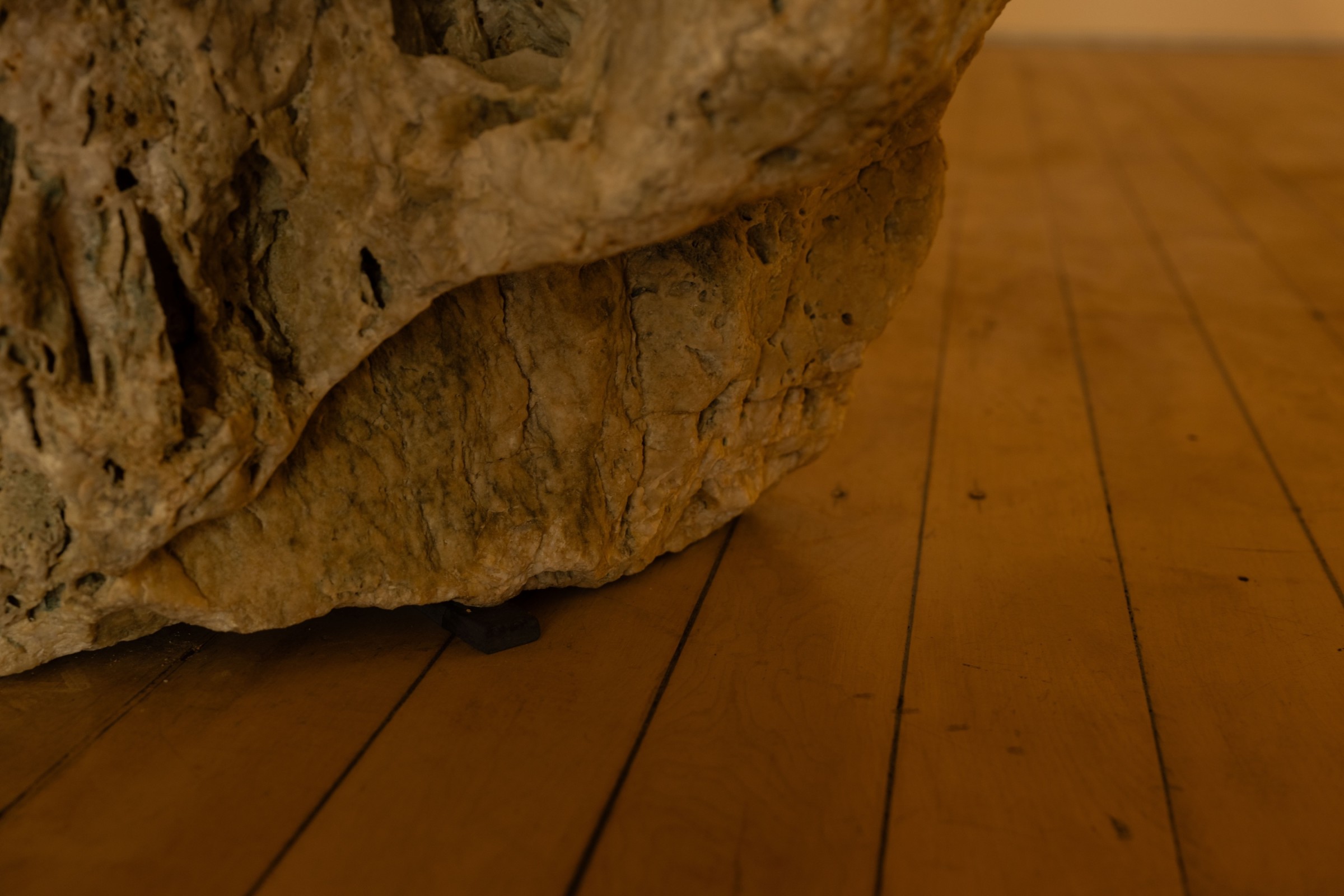
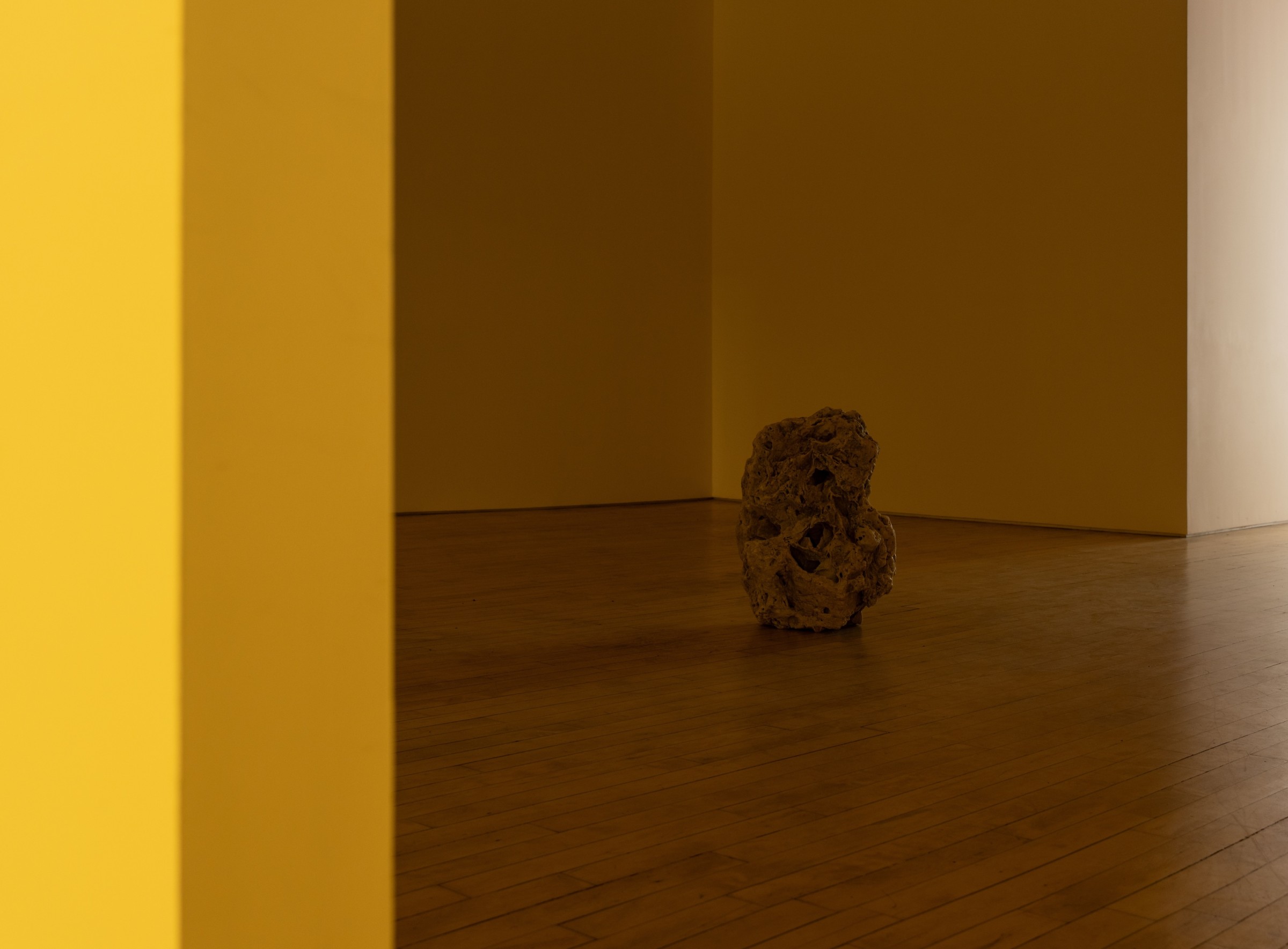
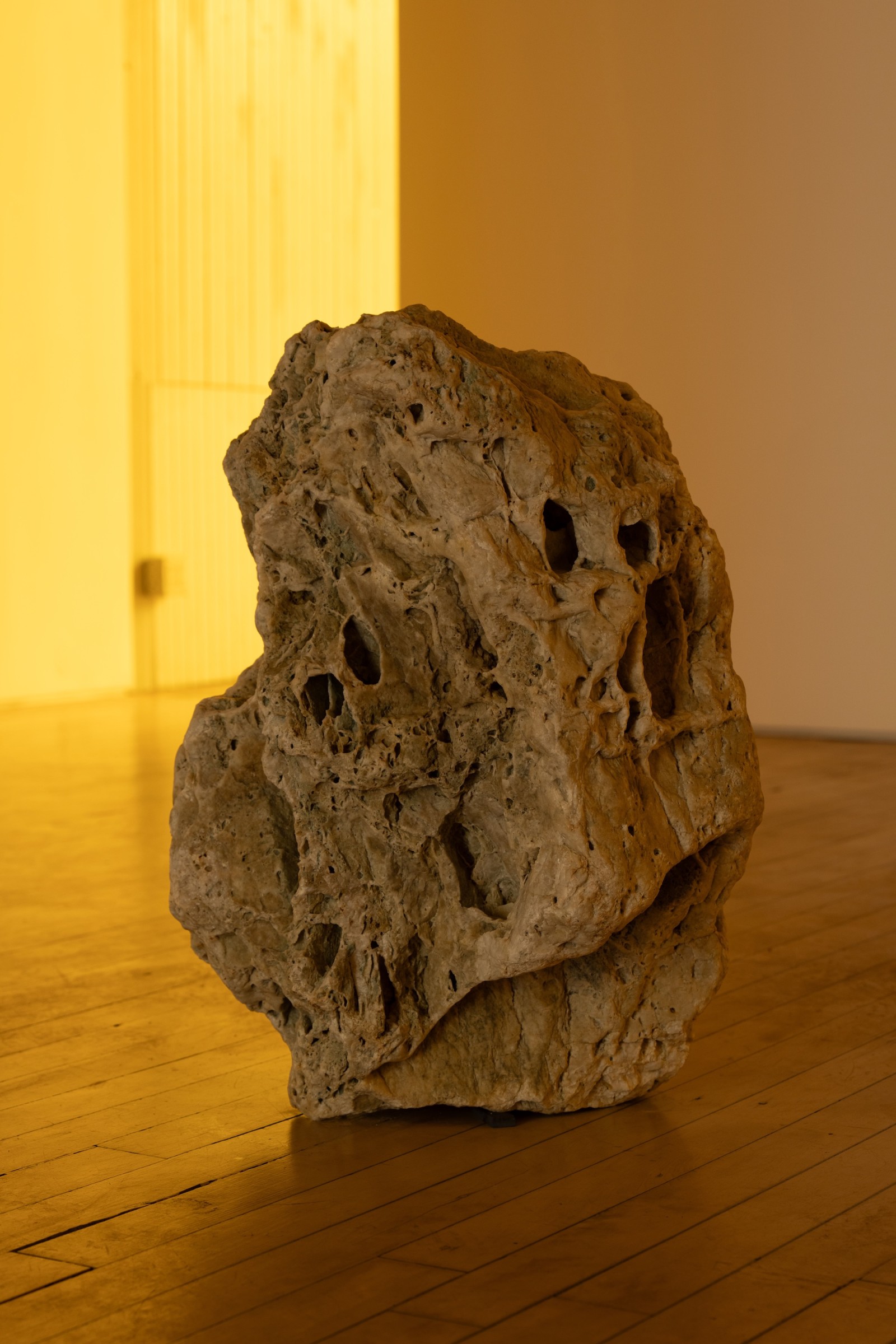
Yet his organic process is counterbalanced by careful attention over extenuated timelines, extreme aesthetic refinement, and rigorous material ethics. Stone, the sculpture presented in the gallery’s central space, exemplifies these qualities. The quartz stone occupies approximately two cubic feet but gives an impression of uprightness dominated by height. Careful observation reveals a faceted surface that shines slightly as if damp and gives the mere suggestion of depth. The physical qualities of mass, density, and the color of raw linen are contrasted with negative space. The stone is riddled by abundant voids, crevices, and interconnected holes in various sizes and orientations. Some passages give the impression of liquid, which bears witness to the powerful forces at work in the rock’s ancient formation. It shares many properties with scholar’s rocks, those distinctive, naturally occurring stones that emerged as a cultural form in China during the Tang dynasty. Stone and scholar’s rocks in general are paradigmatic embodiments of nature that were historically contemplated indoors or in gardens. Stone displays the thinness, perforations, and wrinkling that are prized in scholar’s rocks; notably, it does not suggest a representational image, such as mountains, as scholar’s rocks often do. This too is typical of Lichty’s work, which tends toward the incarnation of a state or form rather than representation.
While traditional scholar’s rocks were occasionally enhanced by hand, Stone is entirely so. Working in concert with the dictates of the boulder’s materiality, Lichty accelerated a natural process of differential erosion through the targeted removal of softer mudstone, chlorite, and other minerals to reveal the fundamental fractured structure of the remaining quartz. This was a long, labored process of trial and error, careful observation, and small-scale decisions that developed over the course of years. Lichty worked the stone with a variety of unconventional hand tools including delicate dental scrapers, water guns, a micro-blaster using fine glass bead, and tiny vacuums to refine the stone’s identity by increasing and intensifying the natural process of erosion. The artist partakes in the life of the stone rather than being its author. Lichty participates in cultural traditions and natural forms with meticulous attention to the character and potential of his materials.
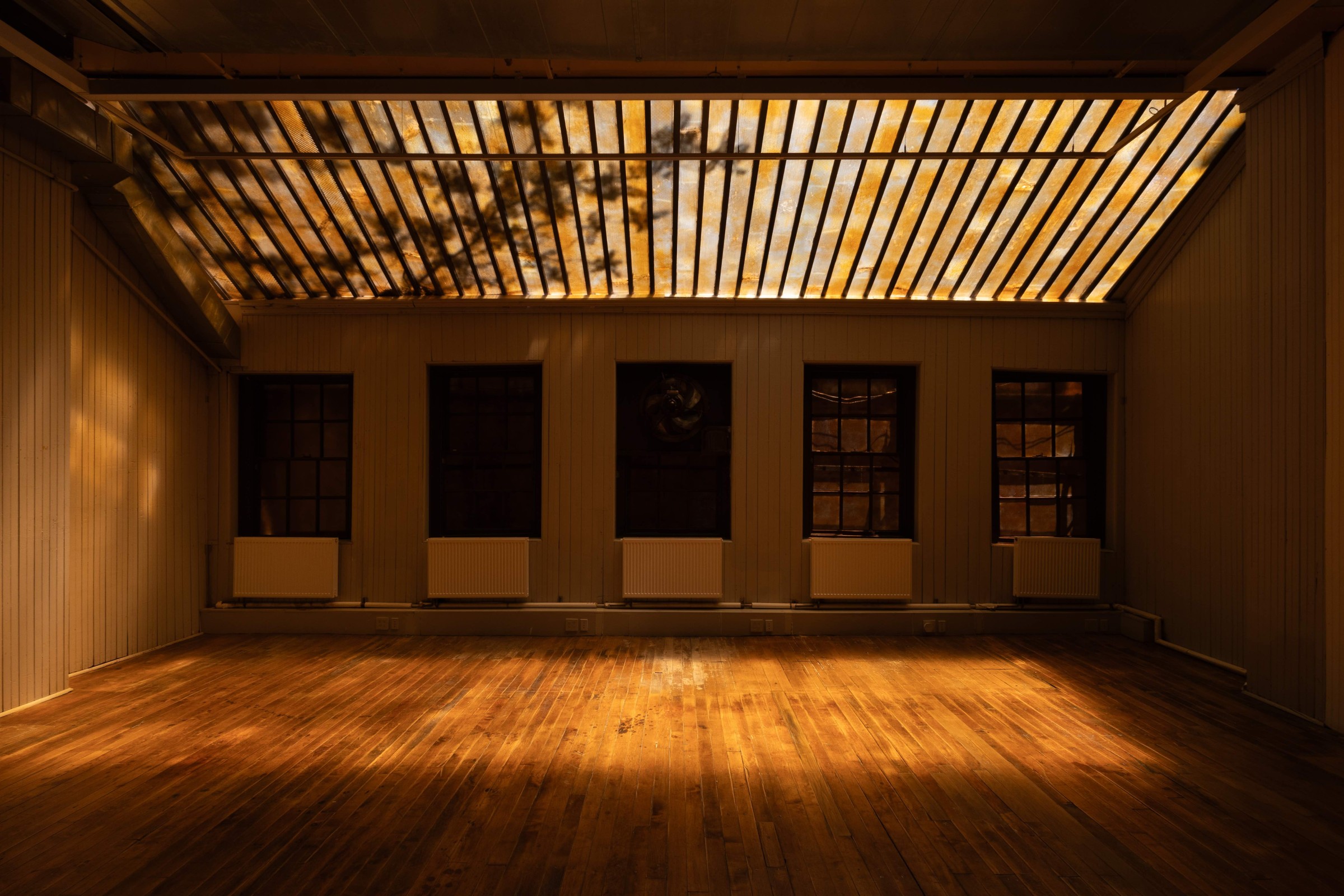
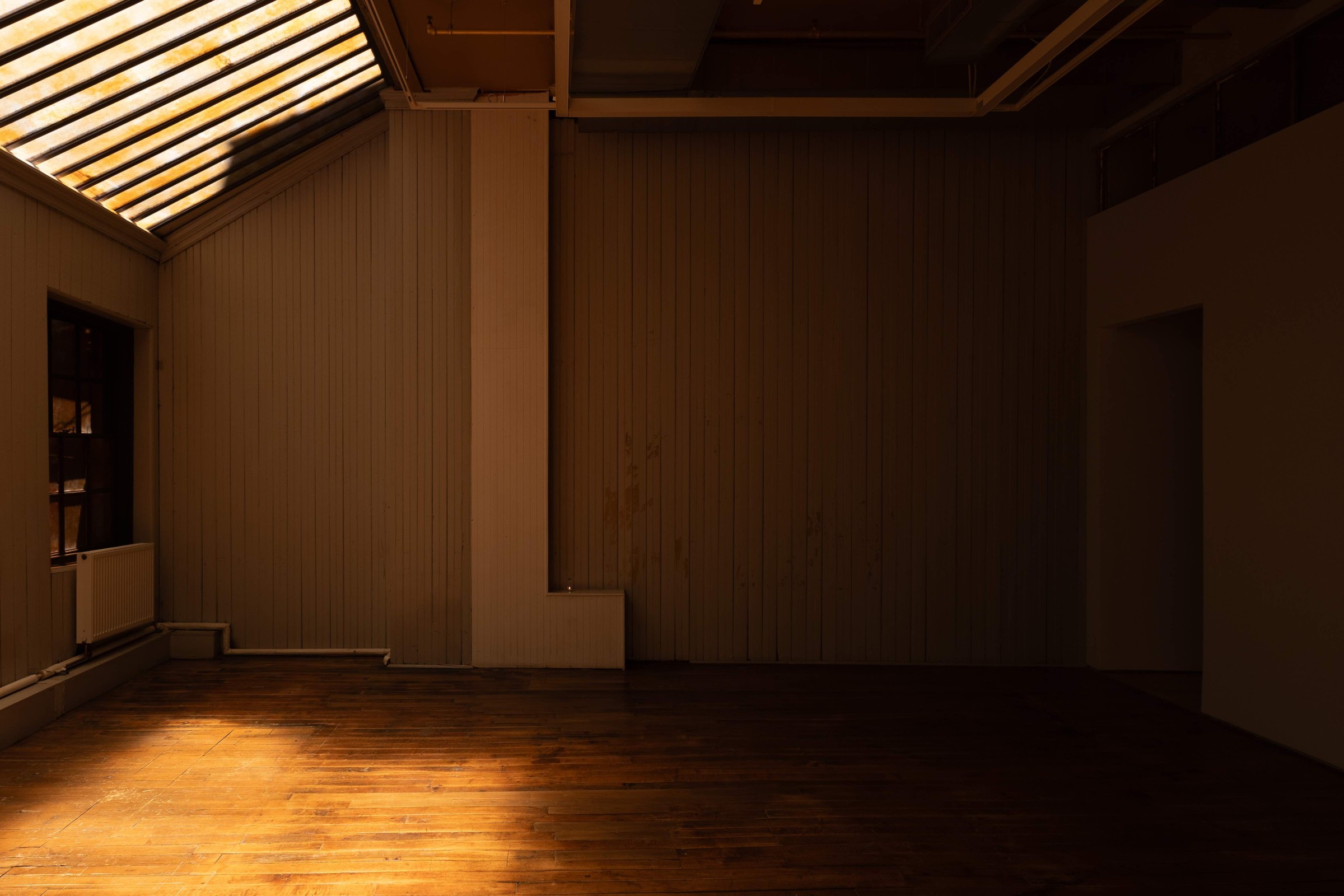
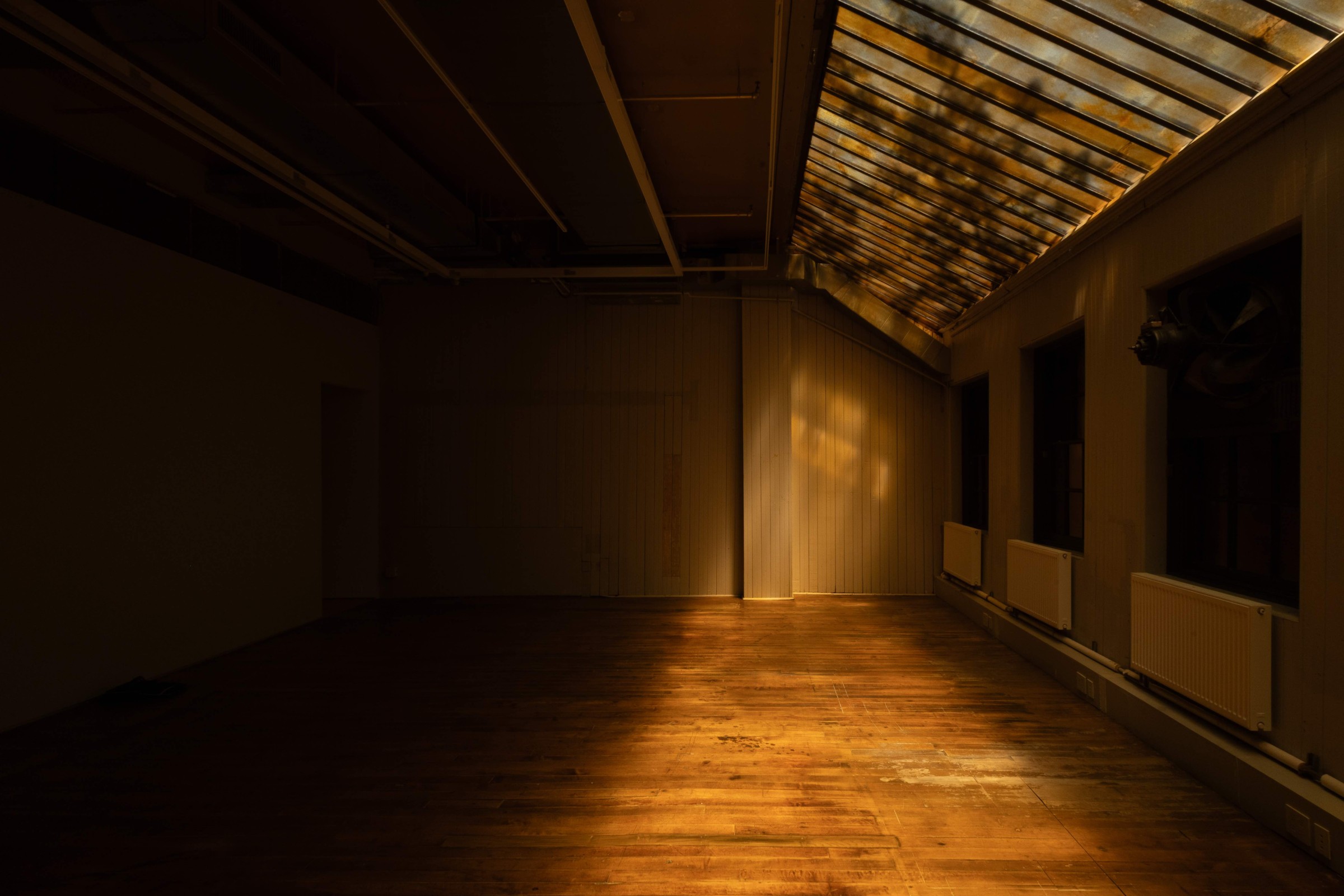
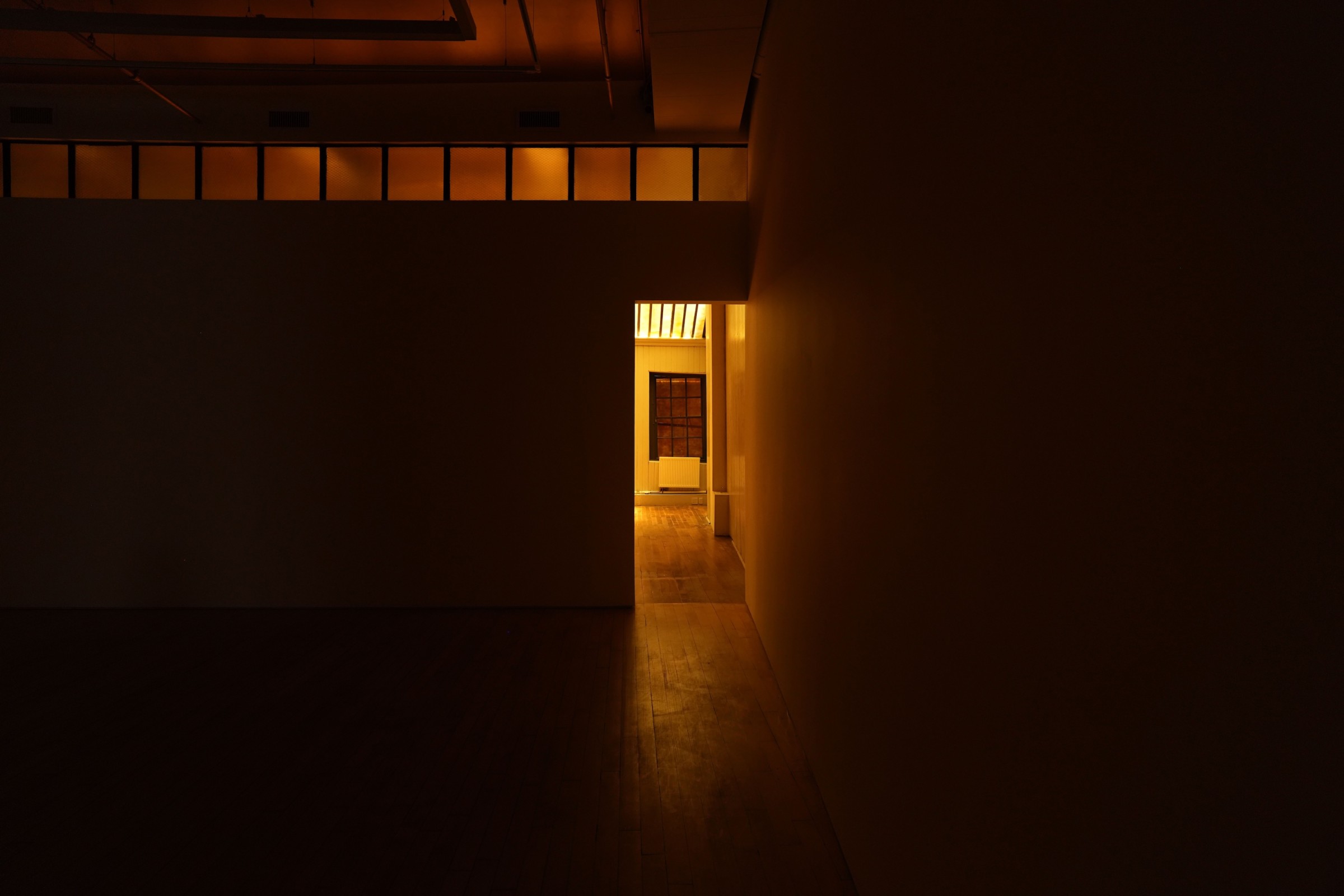
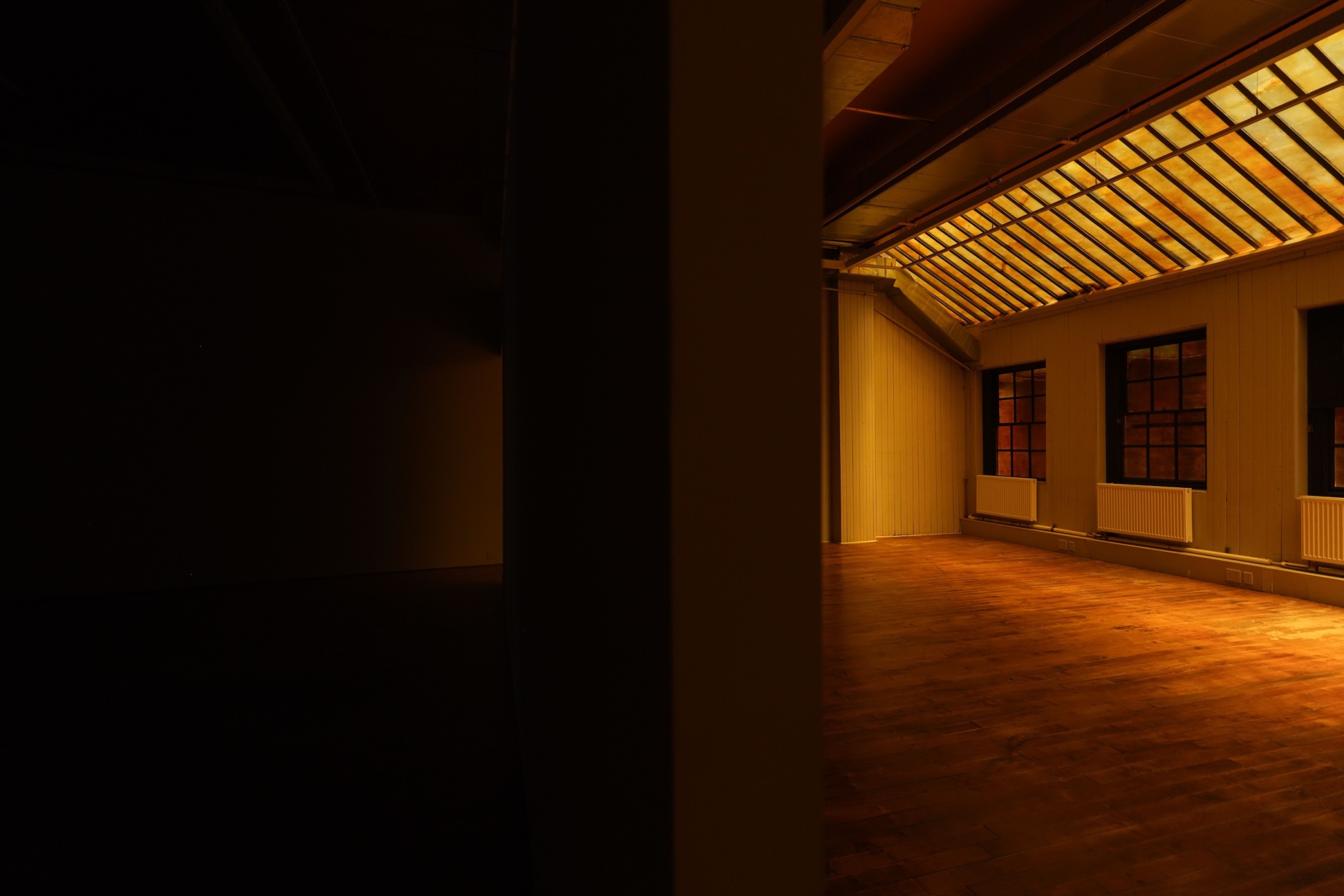
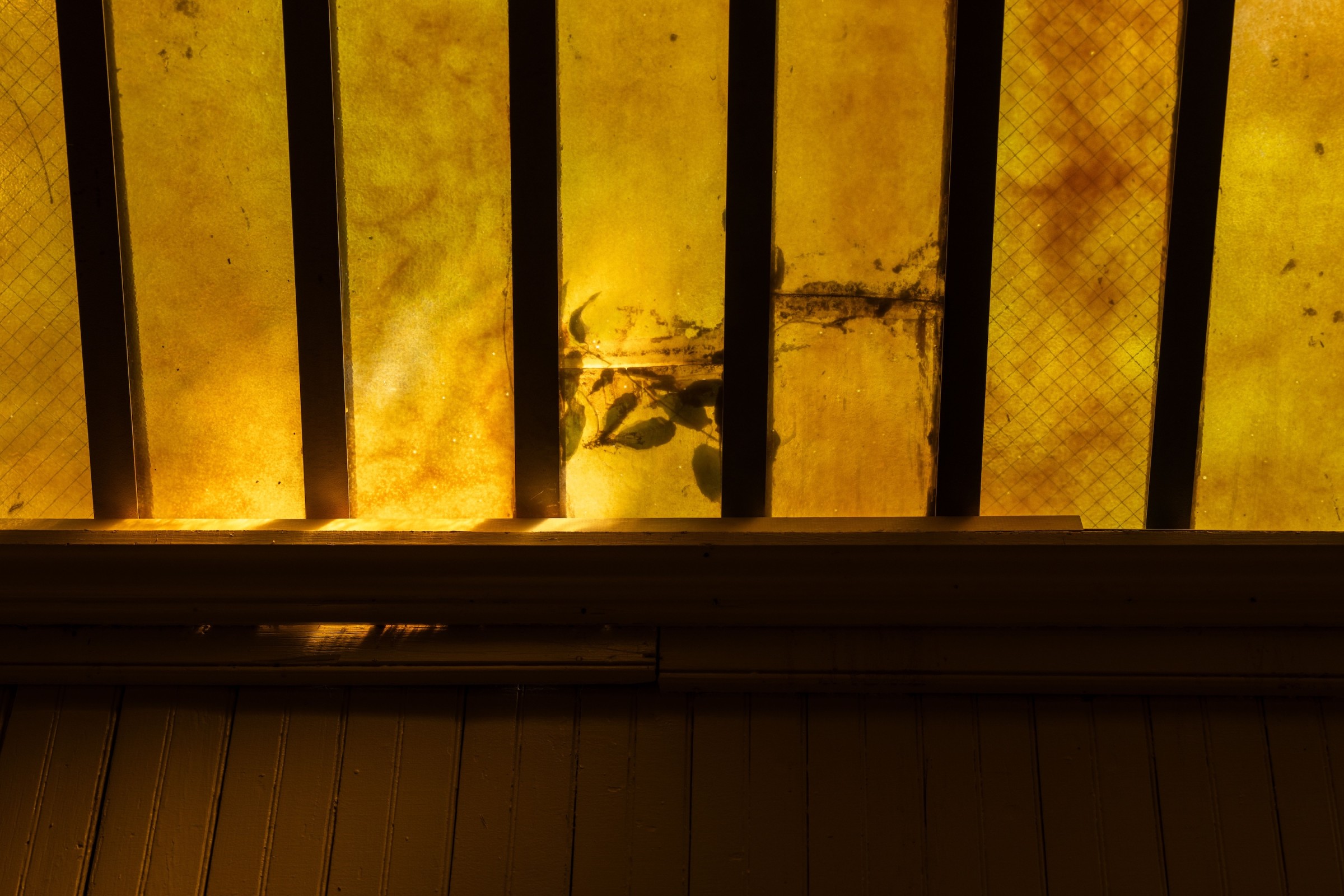
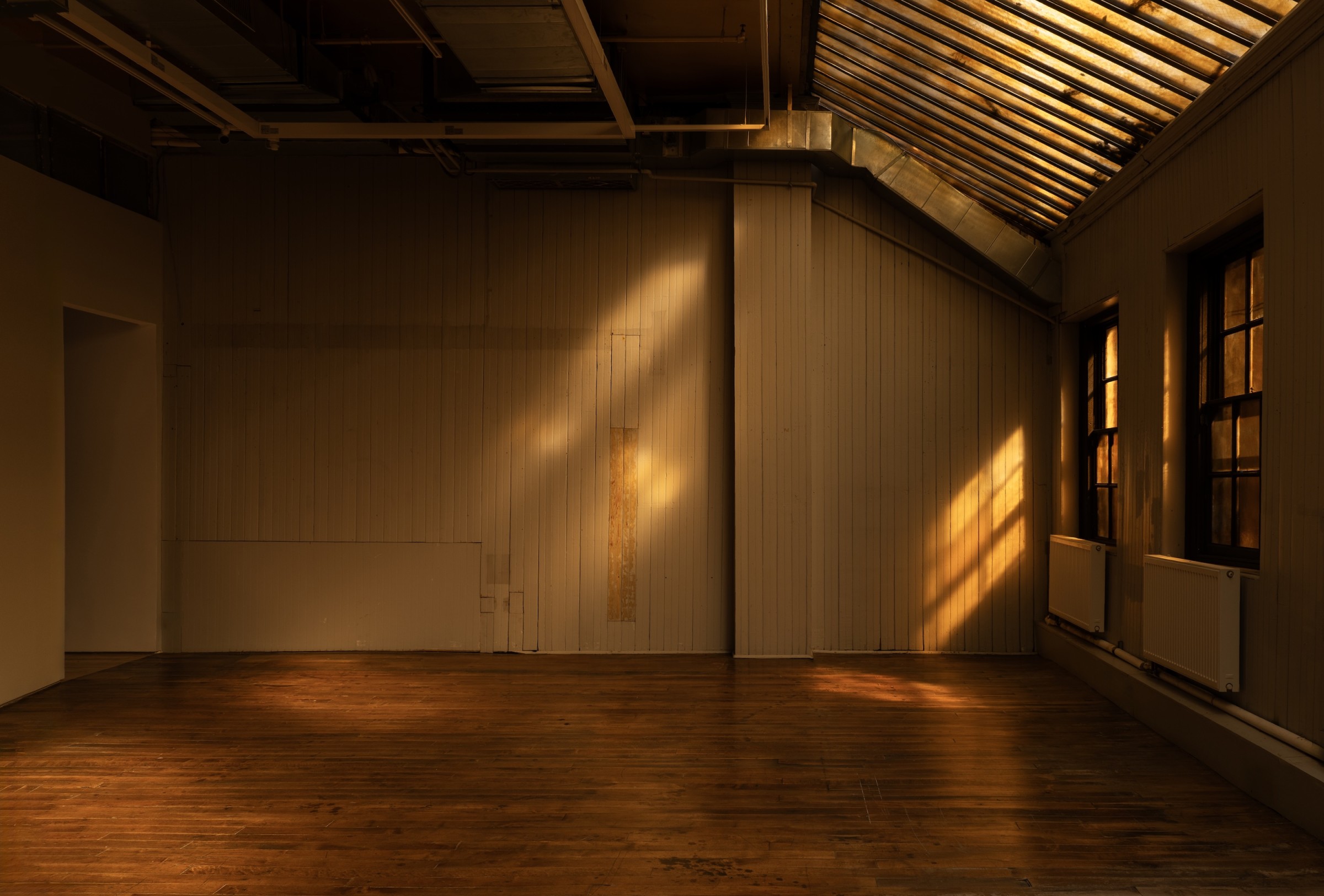
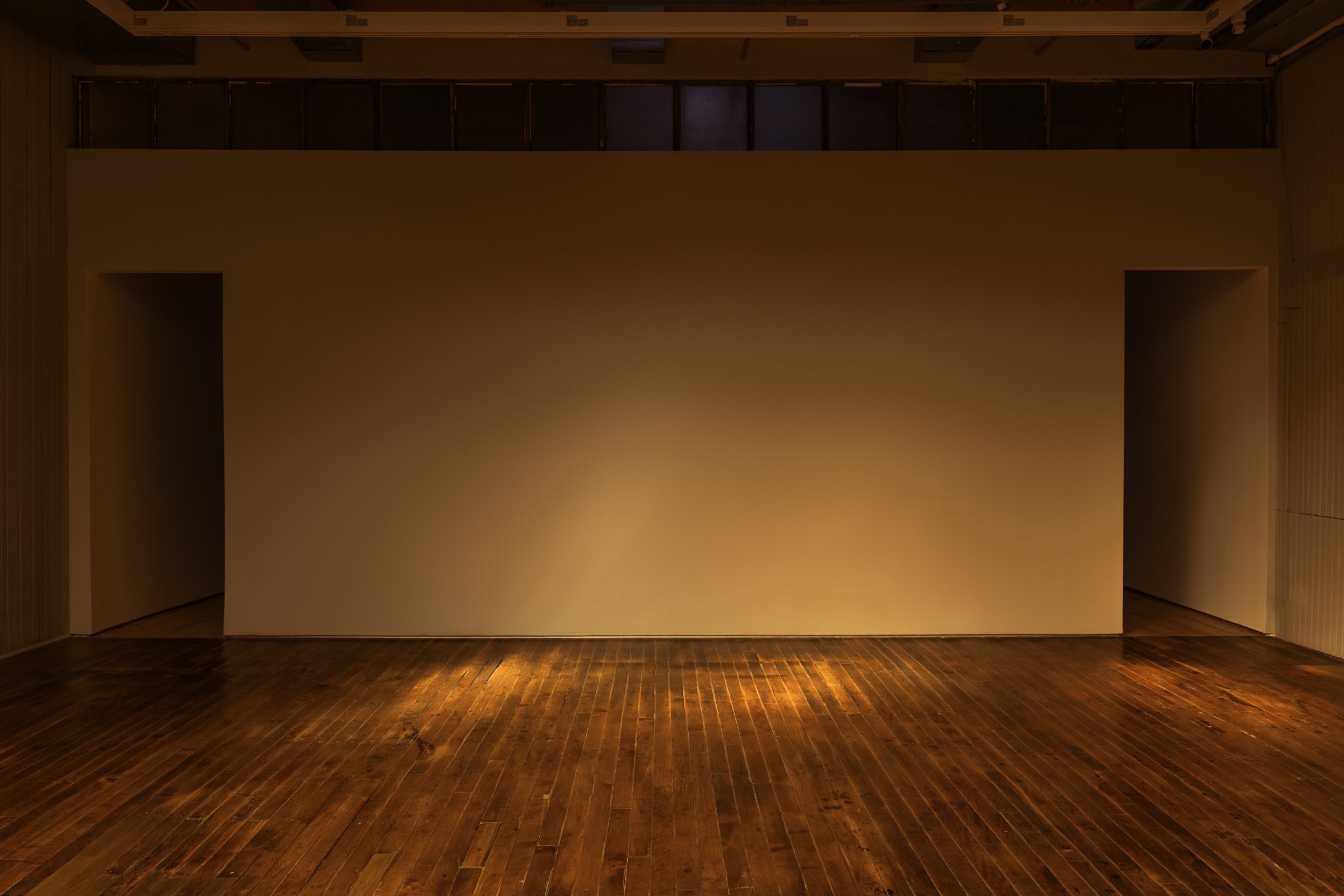
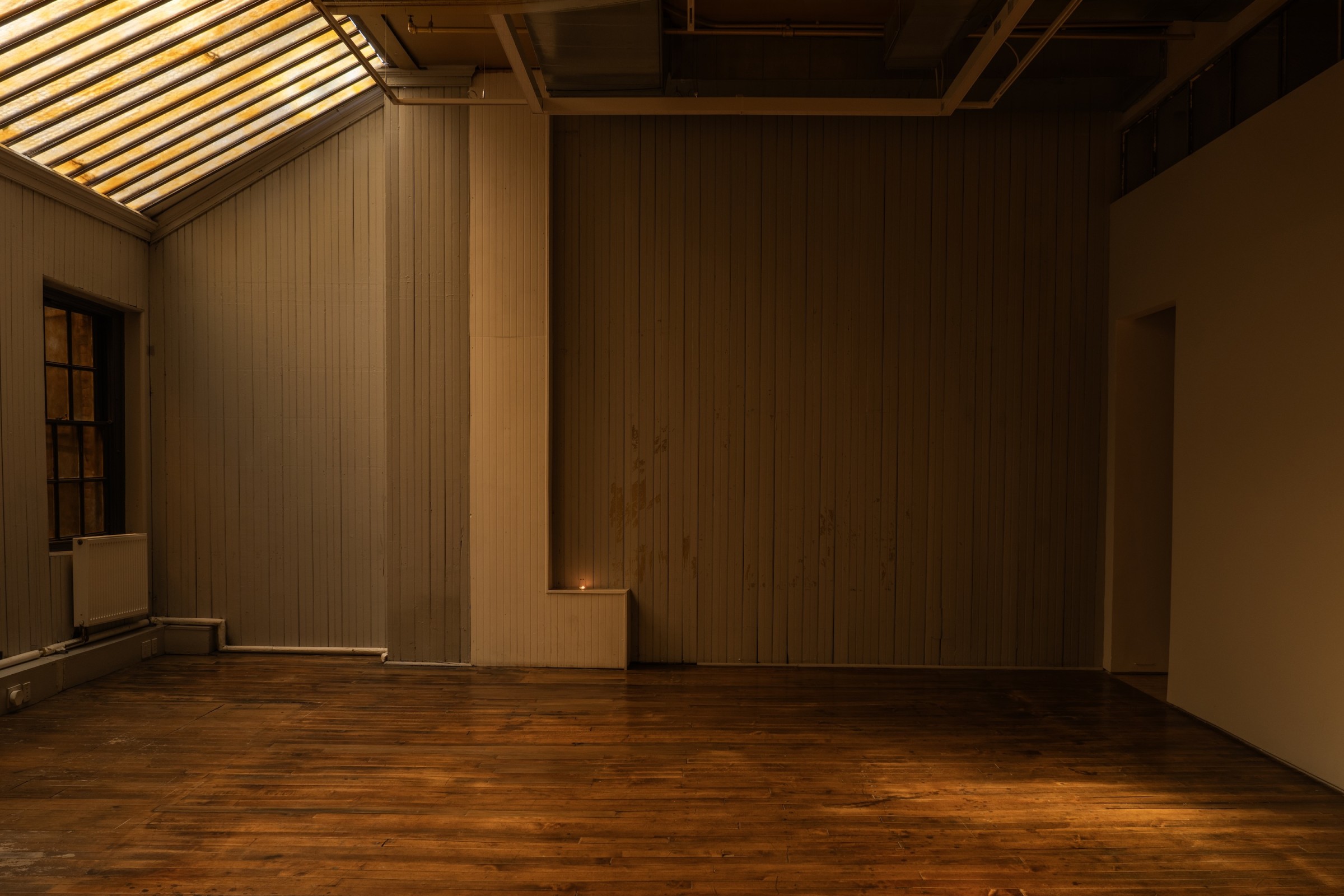
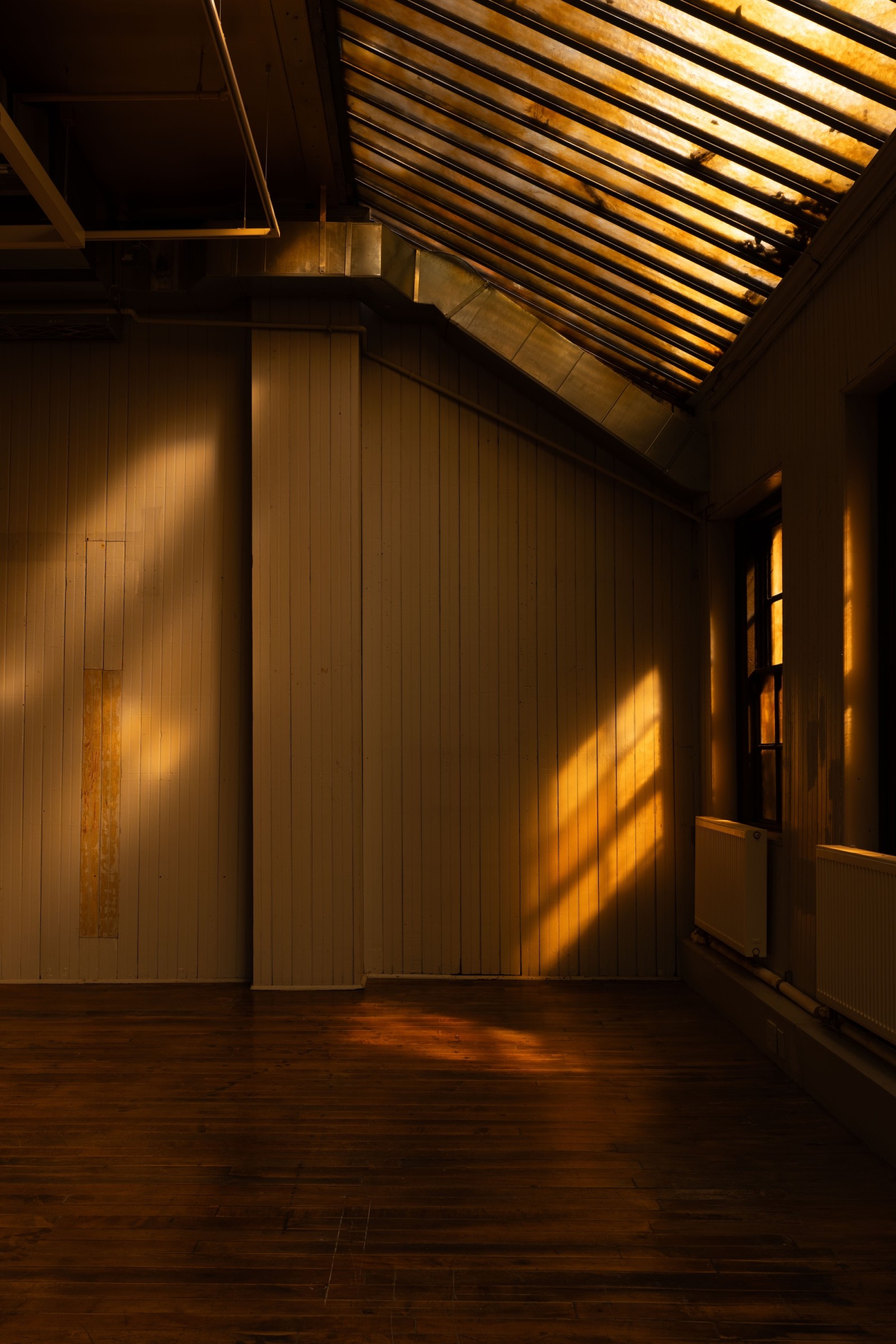
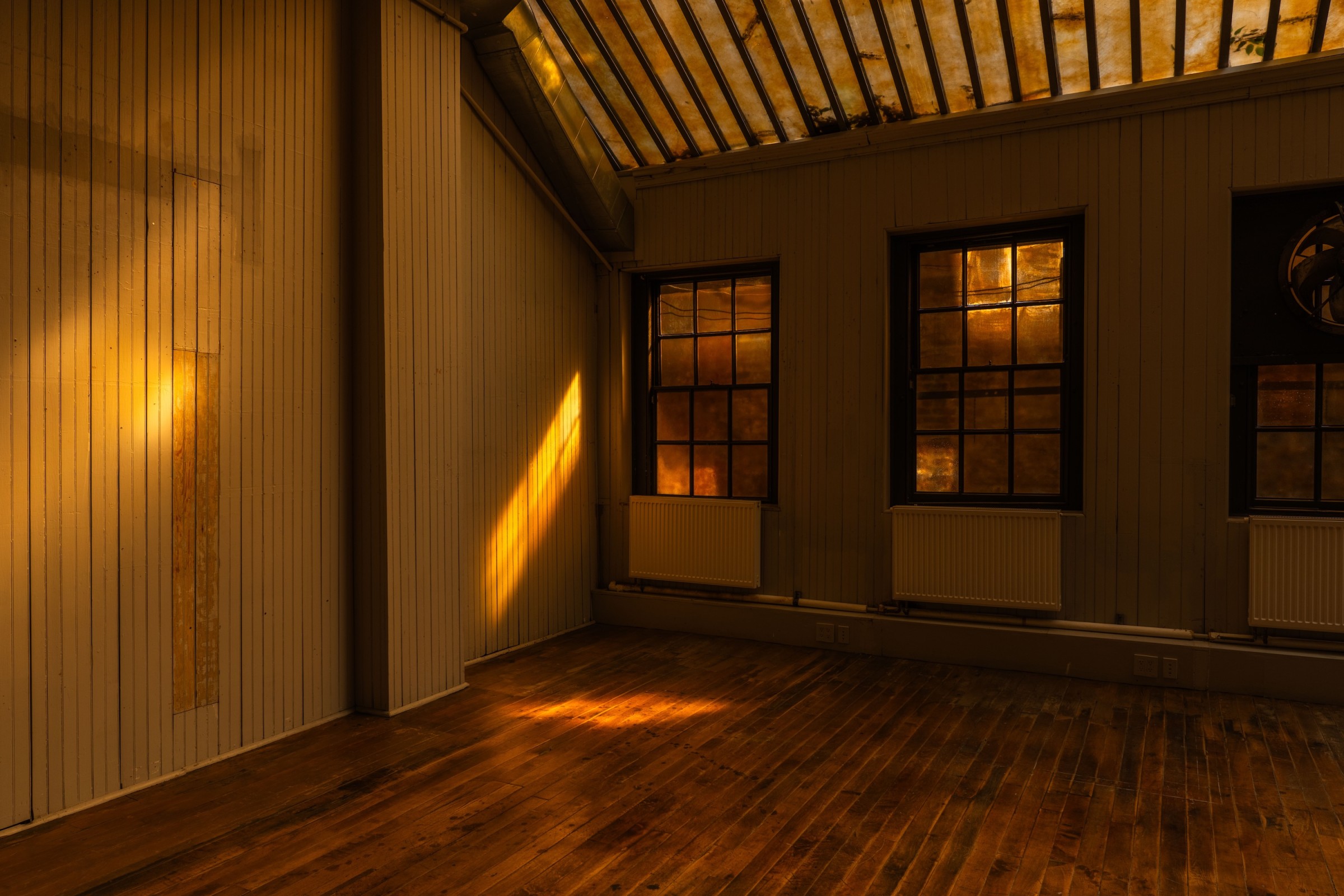
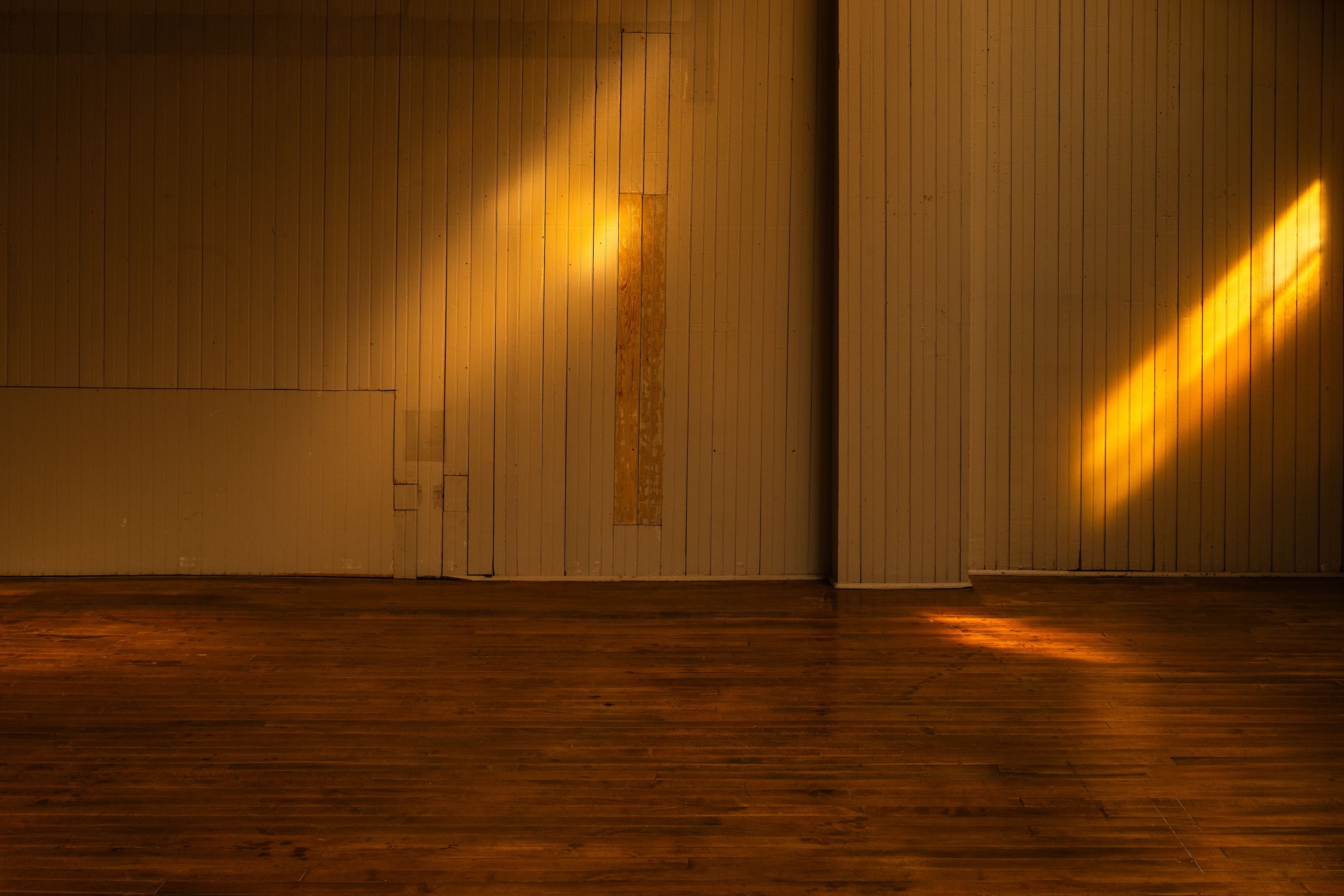
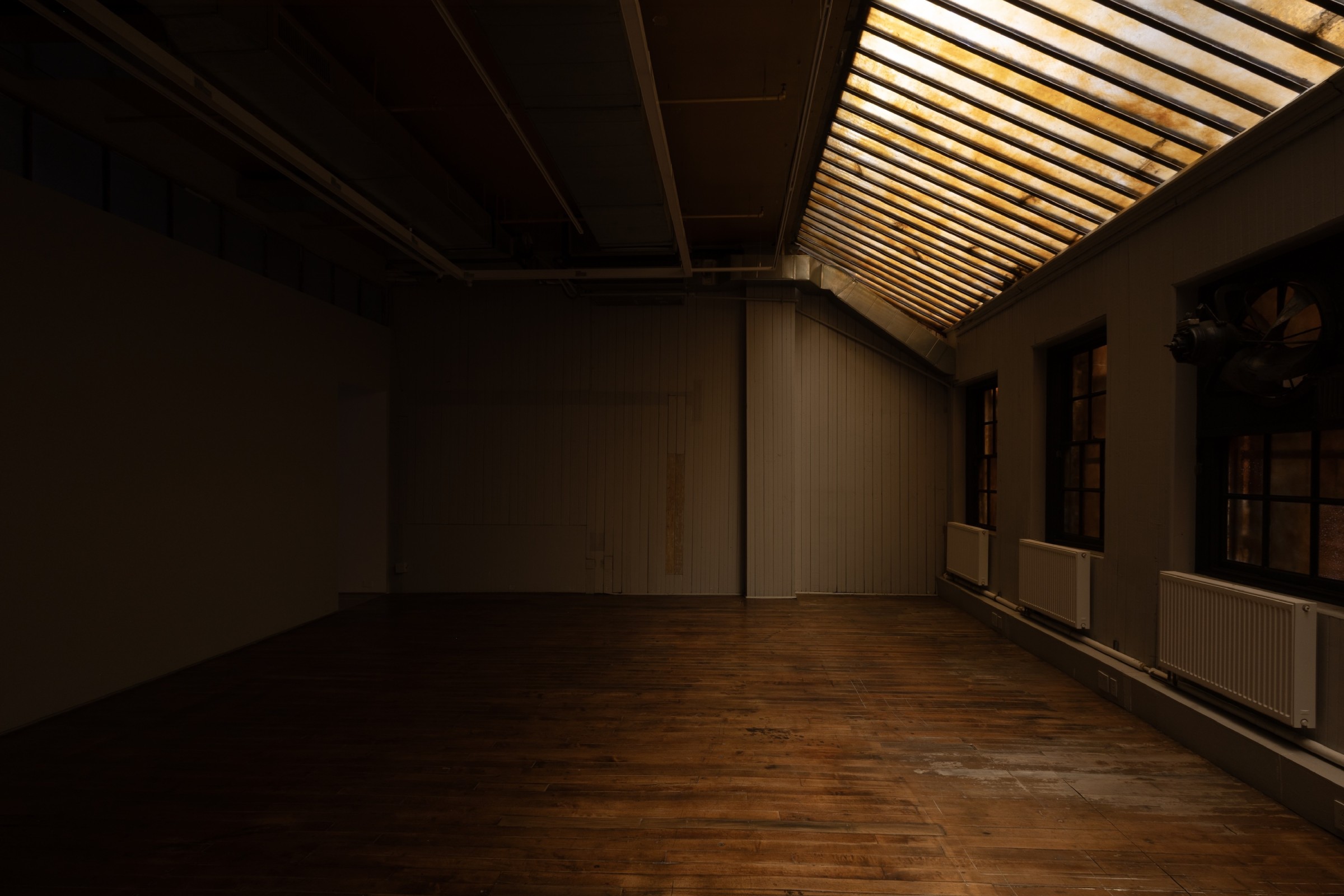
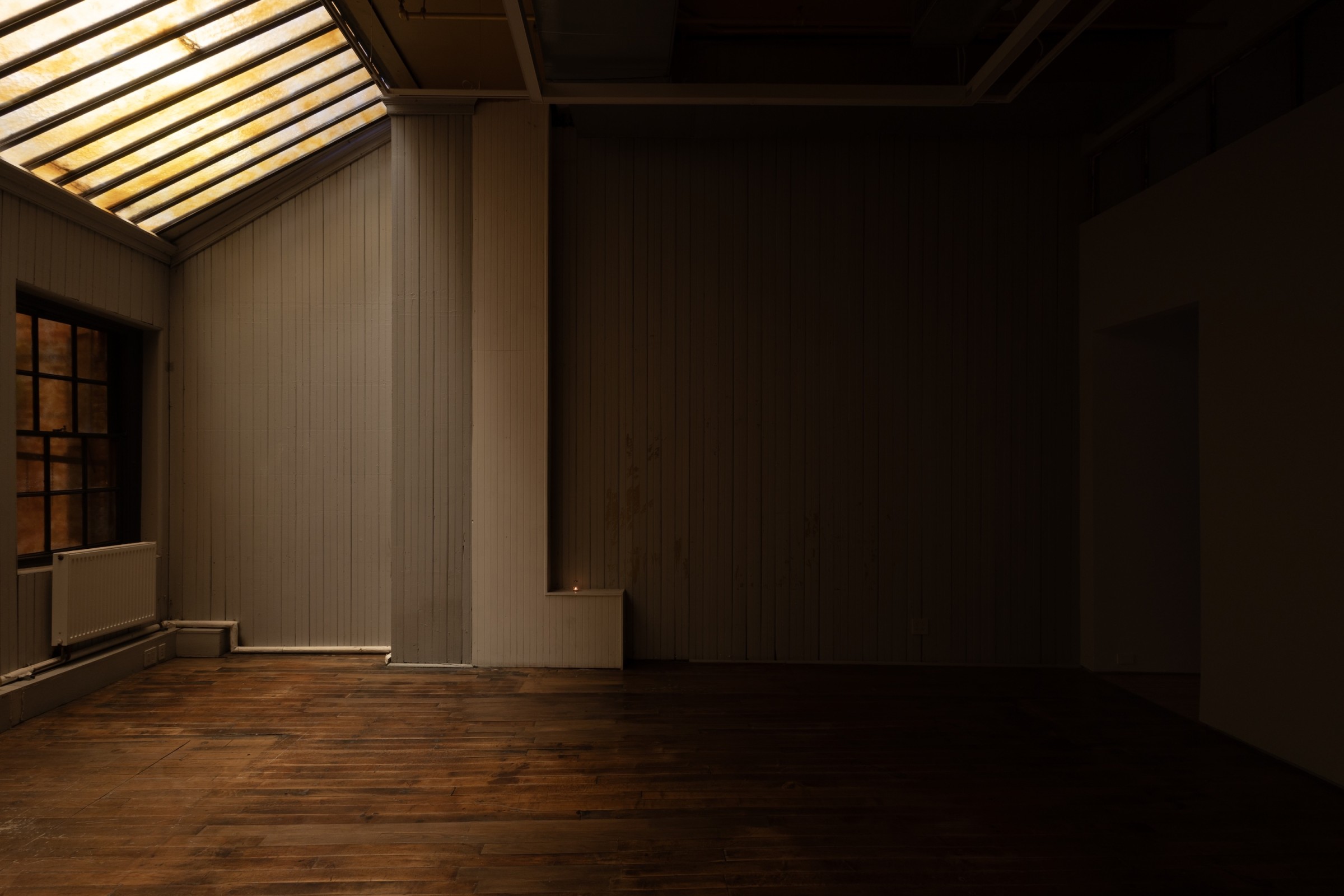
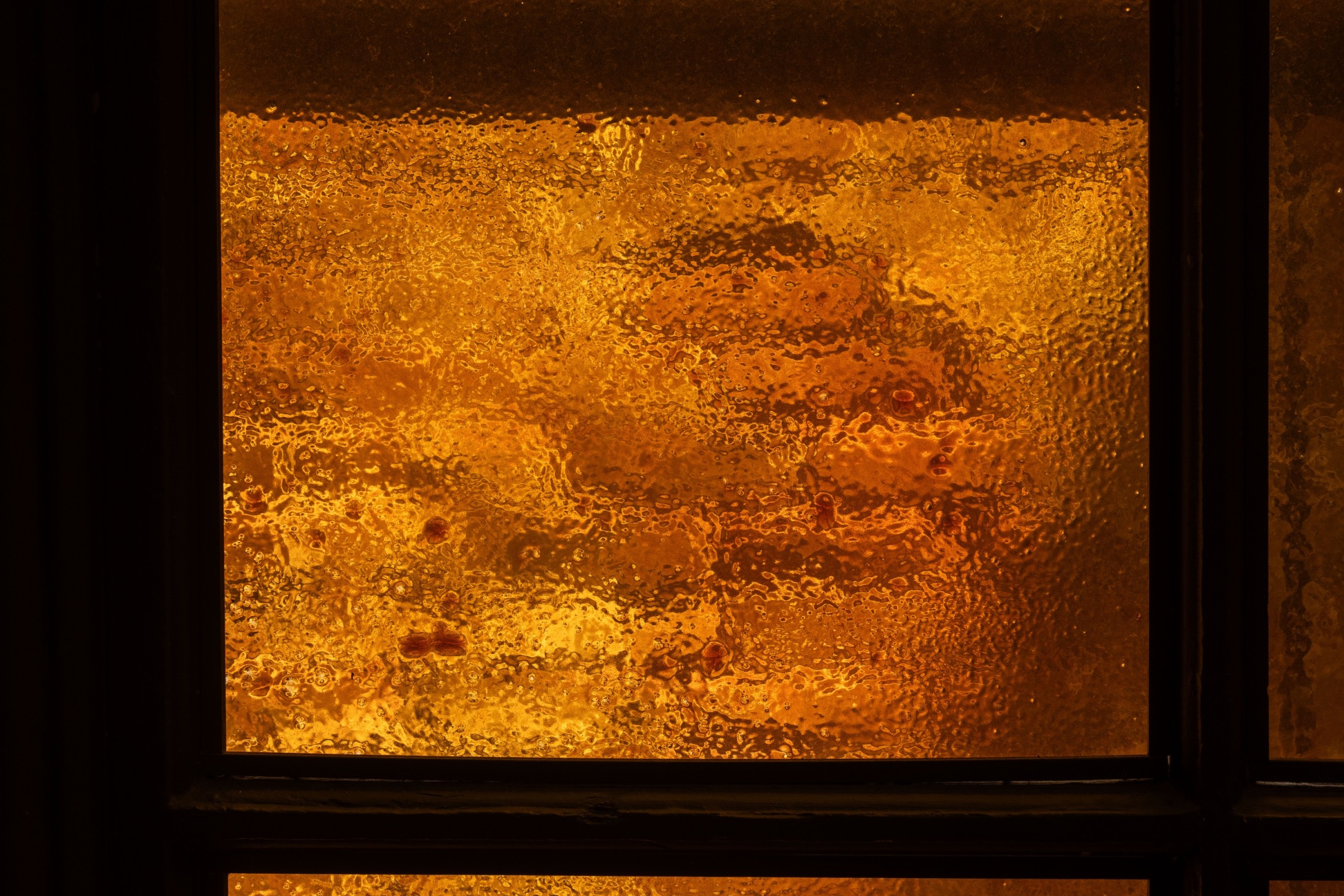
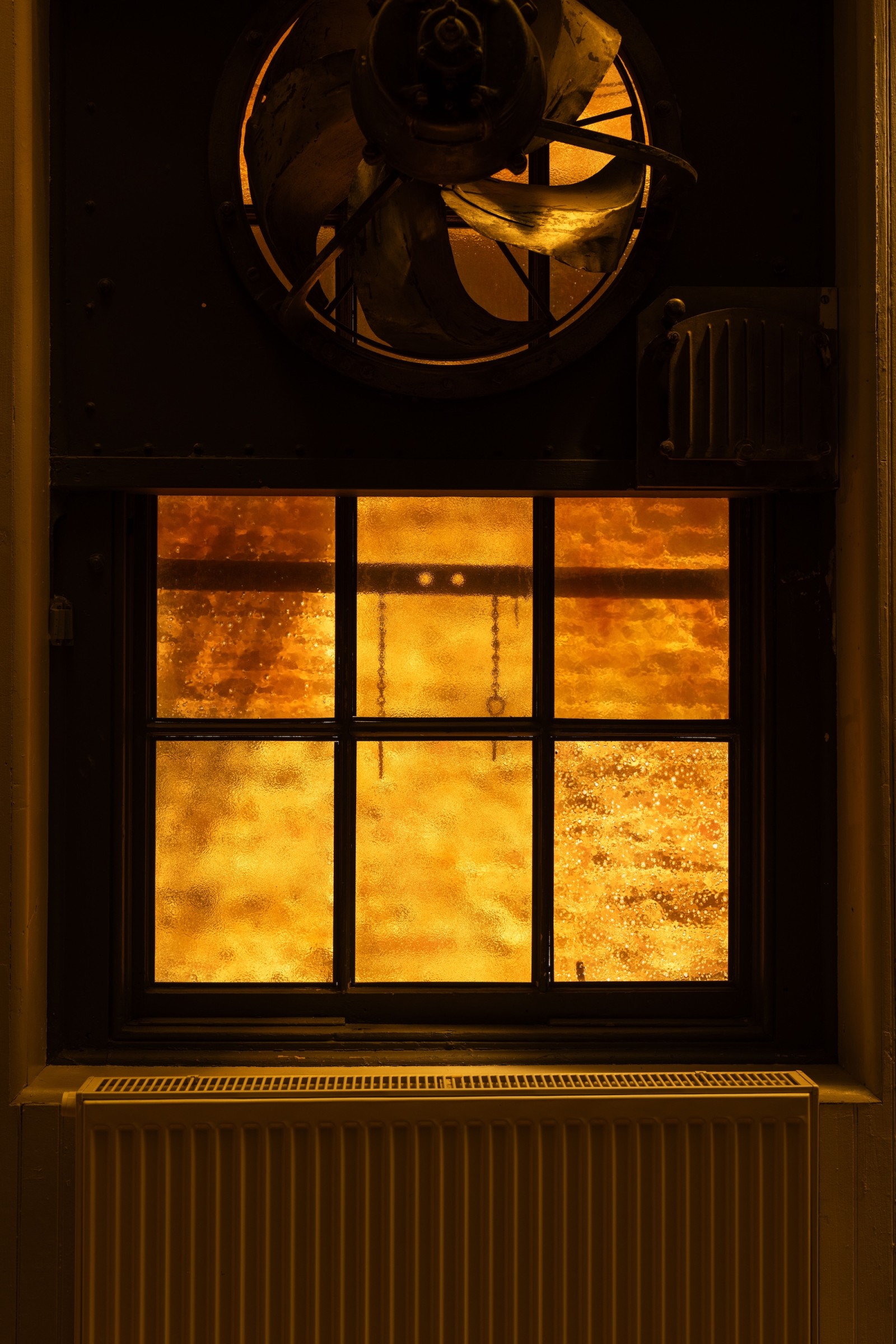
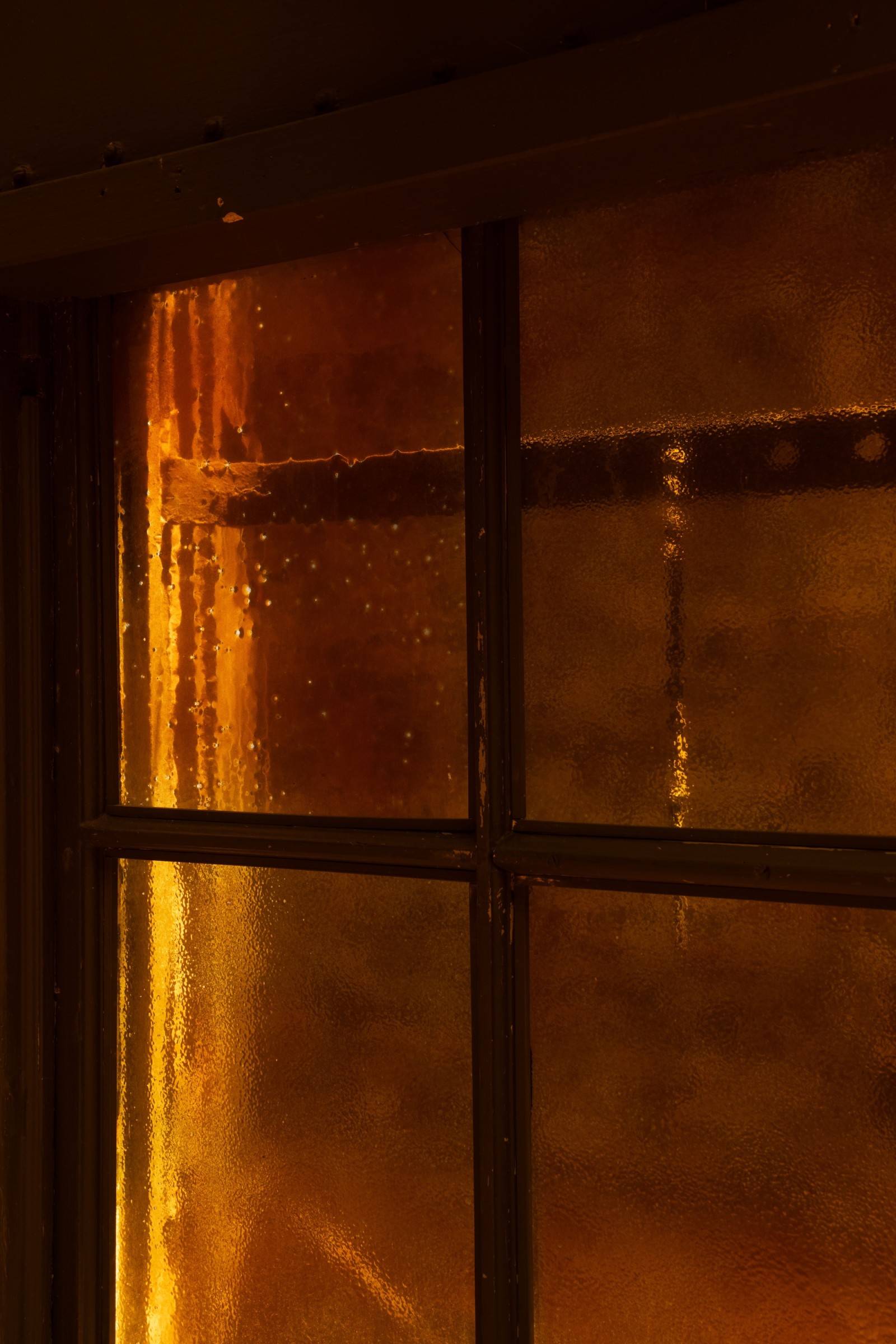
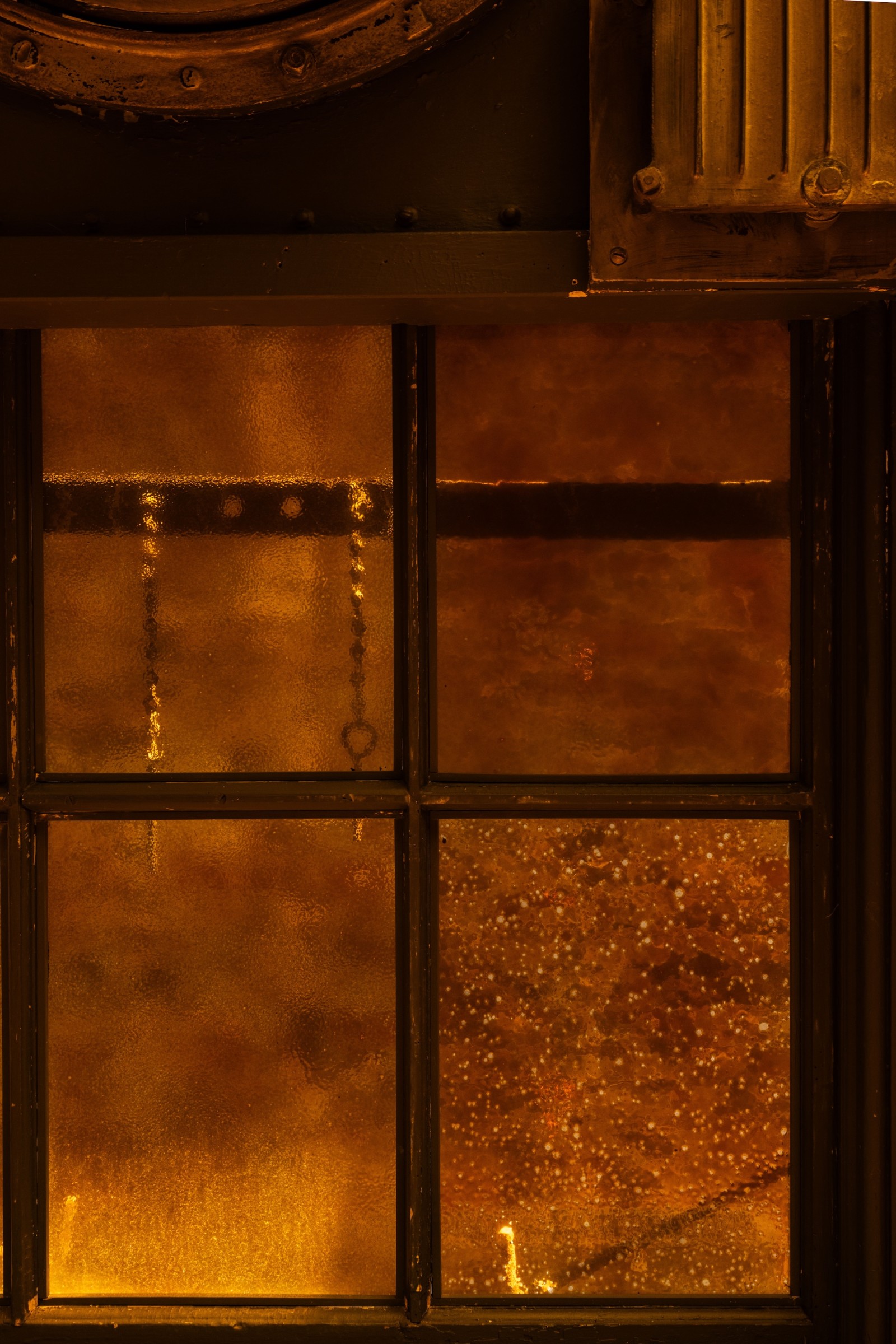
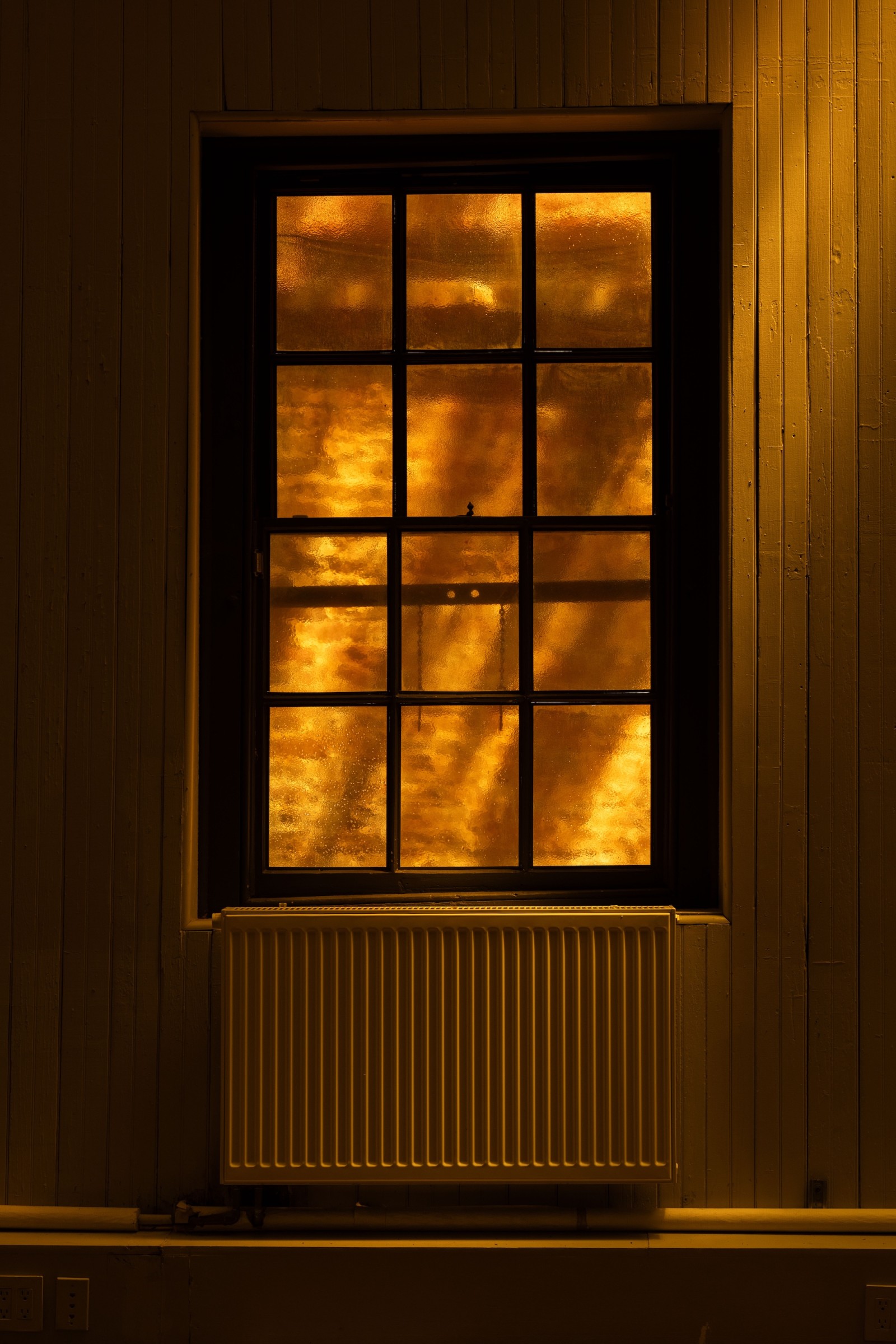
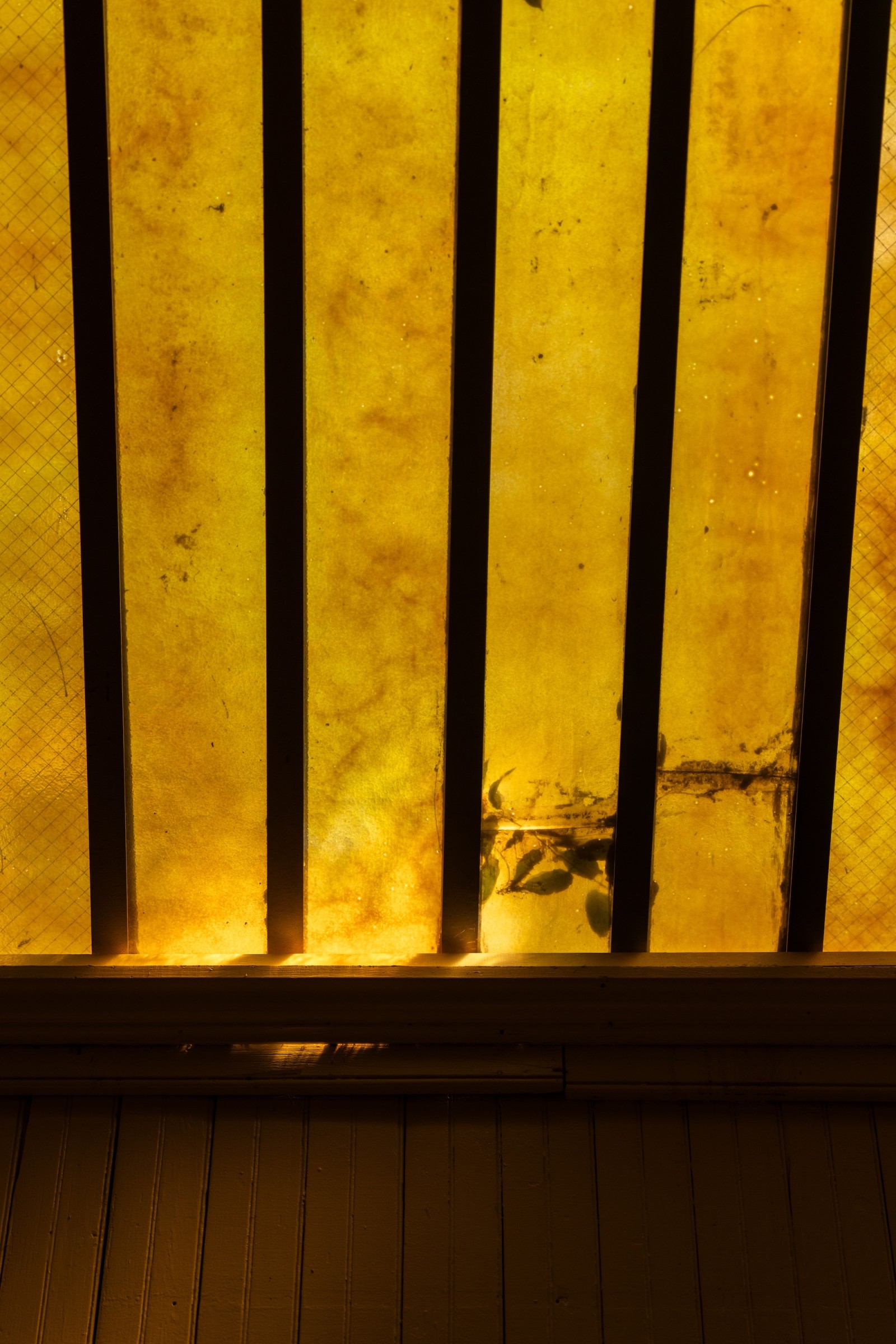
Fresh pine resin is a viscous substance secreted by conifers as a protective mechanism. Potent antiseptic, antibacterial, and anti-inflammatory properties seal wounds, such as broken branches, to protect trees against infection and infestation by fungus or insects. As the tree heals, resin oxidizes in the sun, it hardens and becomes glassy, its color darkens from pale gold to amber or reddish brown, and its sharp citrus scent mellows to a sweeter, deeper balsam. Humans have harvested and extracted resin since Neanderthals walked the Earth, prizing its fragrance, healing properties, and refining it for use as an unusually durable adhesive. Contemporary industrial products derived from this remarkable substance include sealants, varnishes, and solvents, as well as powder used to increase friction on violin bows and dancers’ shoes. Frankincense and myrrh, famous for their spiritual associations, are the resin of particular tree species native to Northeast Africa and the Middle East. If there is incense burning in the gallery, it was gathered from the Liberty Hill Diggings site. Lichty and a small group of associates foraged resin that had fallen from trees and sustainably harvested cured and fully hardened resin from healed wounds. A fine rosin powder resulted from an in-studio process of heating and filtering, which eliminated volatile oils and moisture, followed by grinding and sieving. In an uncommonly beautiful technique borrowed from mezzotint, a bed of more than one hundred candles evenly warmed glass panels one at a time, while Lichty sifted powdered rosin onto each panel’s surface in a uniform dusting. Rosin fused with the surface as the glass cooled, creating more than a hundred panels installed in the slim, gridded profile of the industrial-age windows and skylights in the rear room of YveYANG. The processed rosin panels resemble membrillo, the Spanish delicacy made from quince. The panels range from warm orange to amber in color. The smooth translucent surfaces are sometimes clouded with subtle wave-like undulations or broken by small bubbles. Gallery lights remain off throughout the exhibition, allowing full range for the transient play of late spring sunlight. Nature’s hand works in tandem with the artist to fill the gallery with chromatic filtered light and mark the passage of time through change and duration. This work is titled Forest, and, just like the forest to which it refers, viewers may stand within it.
As an exhibition Ghost Stone might be thought of as a Nonsite, a form of indoor Earthwork originally authored and theorized by Robert Smithson in the late 1960s. As in Smithson’s Nonsites, which represent or refer to other sites without relying on resemblance, Lichty forms a physical and metaphorical connection between the space of YveYANG and the Liberty Hill mine. His work shares the directness of minimalist and conceptual art practices that engender a mute, hermetic quality. This quietude allows the work to remain sensitive to the poetics of shifting contexts. Earthroom, the iconic Walter De Maria piece located just a few blocks north on Wooster Street, shares this open character as well as a commitment to natural light that is only interrupted during dark winter evenings. Unlike Smithson’s Nonsites that impose a “logical picture” on his materials, or De Maria’s tendency to quantify his work using specific measurements – for example Earthroom is described as 250 cubic yards of earth – Lichty does not superimpose analytic abstraction on his materials. Instead, he works in tandem with the natural capacities his raw materials already hold. Virtual potentials of material from the Sierra mine are manifest and amplified in the gallery. Iron ore will sound in the ringing of the bell, warm amber colored light will stream through rosin-glazed windows, and the freshness of pine aromatics will fill the air. Relatedly, the sculptures in Ghost Stone are not innovative figures but rather participate in existing cultural forms that have a timeless quality: windows, bells, and a scholar’s rock. Lichty’s materials tend to be sourced and processed firsthand, where witnessing and negotiating the ethics of extraction and sustainability are unavoidable. Transformation is key but is guided by an ethos of participation and contribution that might best be characterized as alignment. In Ghost Stone, elemental materials from the Liberty Hill mine area are aligned to foster sensory experience, presence, and contemplation of the long dynamic embrace of nature and culture.
Words by Juliet Jacobson.
Stephen Lichty (b. 1983, Kansas City, MO) lives and works in San Francisco, California. Recent solo exhibitions include Foxy Production, New York (2021, 2016, 2014); Veda, Florence (2020); and Adams and Ollman, Portland (2019). Recent group exhibitions include the Sky High Farm Biennial, Germantown, NY (2025); Michael Benevento Gallery, Los Angeles (2024); Sweetwater, Berlin (2024); Palazzo Fortuny, Venice (2017); and The Noguchi Museum, New York (2016). Lichty’s work has been exhibited through performances at The Noguchi Museum, New York; Socrates Sculpture Park, New York; House of Seiko, San Francisco, along with a public art commission in collaboration with Jim Woodfill for a library in Shawnee, Kansas.
05.08.2026, 12–8 PM
Works Exhibited
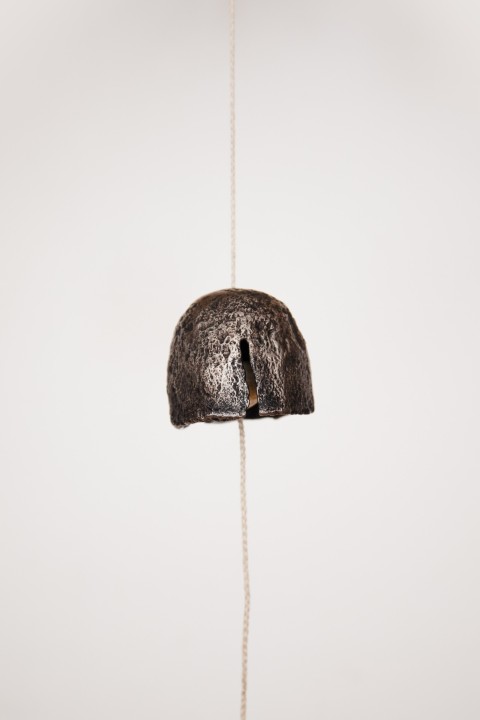
Bell
2026
Cast iron, quartz, cotton, beeswax
5.1 x 5.1 x variable cm (approximate)
2 x 2 x variable in. (approximate)
Edition of 30 + 2AP
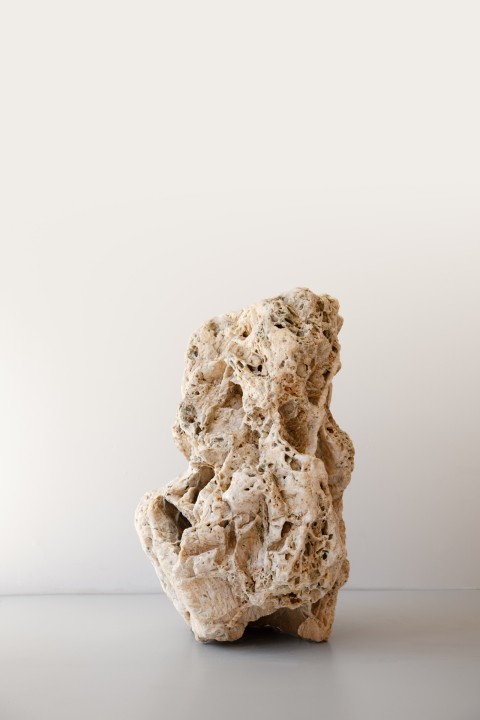
Stone
2026
Quartz
58.4 x 58.4 x 73.7 cm
23 x 23 x 29 in.
Ceramic shims, 2026
Dimensions variable
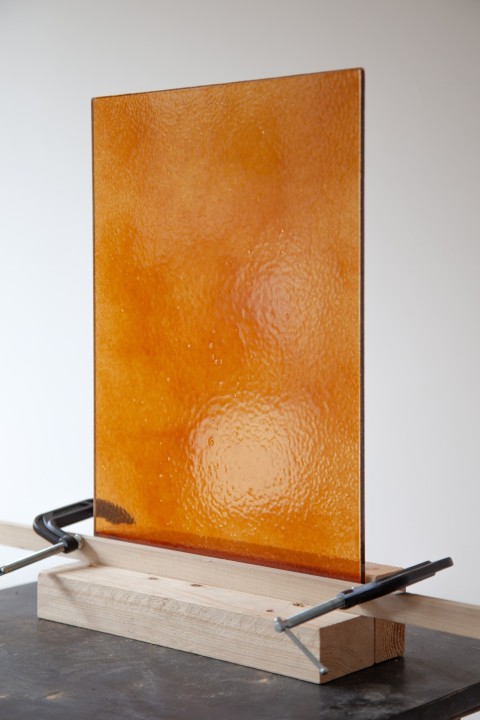
Forest
2026
Pine rosin, glass
Installation
Dimensions variable
Each instance of the work is produced to fit the architecture of its site.
Press Coverage
06.24.2026
For Stephen Lichty, Sculpture Makes Visible What Matter Remembers
by Elisa CarolloObserver
ObserverPDF Version06.22.2026
Material Artifacts: Stephen Lichty Revisits a Site of Ecological Catastrophe
by Nicole KaackArtforum
ArtforumPDF Version06.11.2026
An Ethics of Afterglow: Ghost Stone at YveYANG Gallery
by Xumeng ZhangImpulse Magazine
Impulse MagazinePDF Version06.11.2026
Ghost Stone
by Kate SilzerEmergent Magazine
Emergent MagazinePDF Version05.12.2026
7 Shows to See During Frieze New York 2026
by Jonathan OddenFrieze
FriezePDF Version05.11.2026
10 Ambitious Gallery Shows to See in New York
by Elisa CarolloObserver
ObserverPDF Version